
Best overall
The best electric shaver
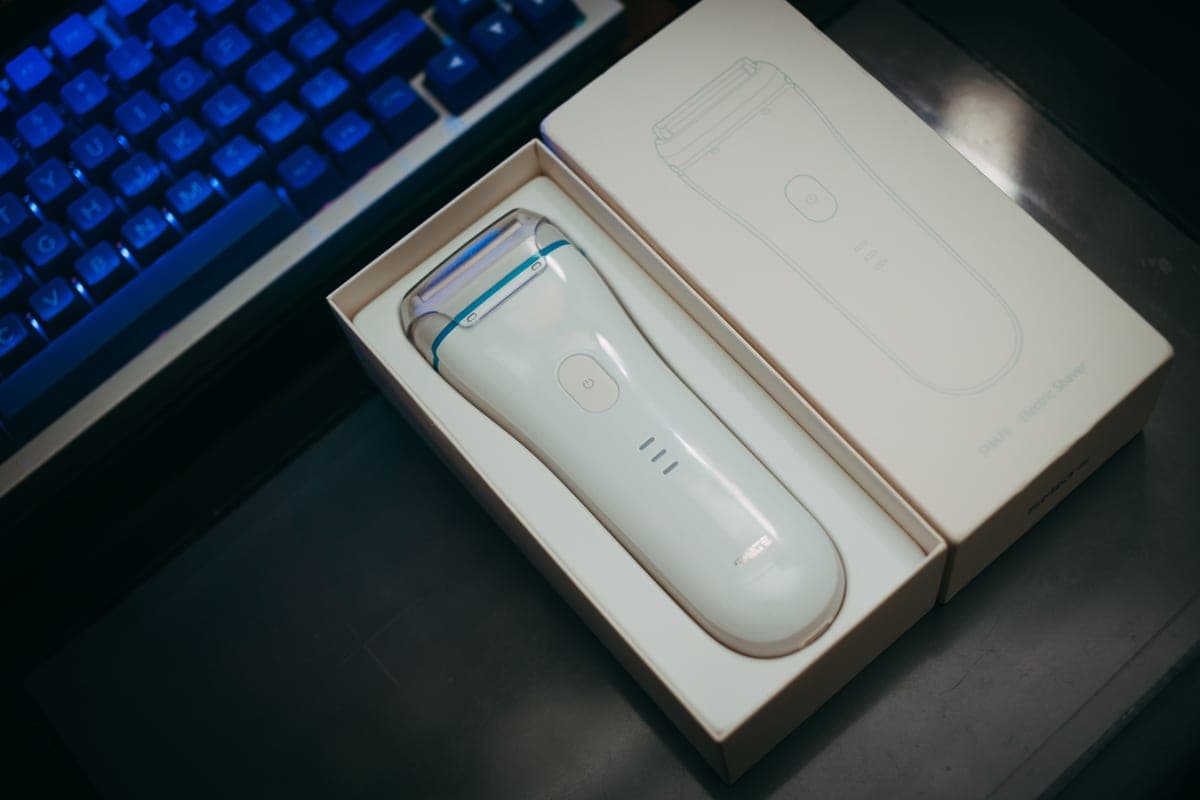
Electric shavers ranked on published cutting elements, motor speed, runtime and head replacement cost.
Top pick: Braun Series 9 PRO+
Foil or rotary, and what the published motor and runtime figures actually tell you. Single reviews, head-to-heads and the running-cost question nobody in this category answers.
Nothing here has been tested by us. How we pick · Who writes this · How we earn
In this section
The guides are free to read and always will be. The ranked picks carry affiliate links, and the top pick's buy button is on every card so you never have to dig for it.
Best overall
Electric shavers ranked on published cutting elements, motor speed, runtime and head replacement cost.
Top pick: Braun Series 9 PRO+
Best for sensitive skin
Shavers for reactive skin, ranked on published guard design, wet use and flexing heads.
Top pick: Braun Series 9 PRO+
Head to head
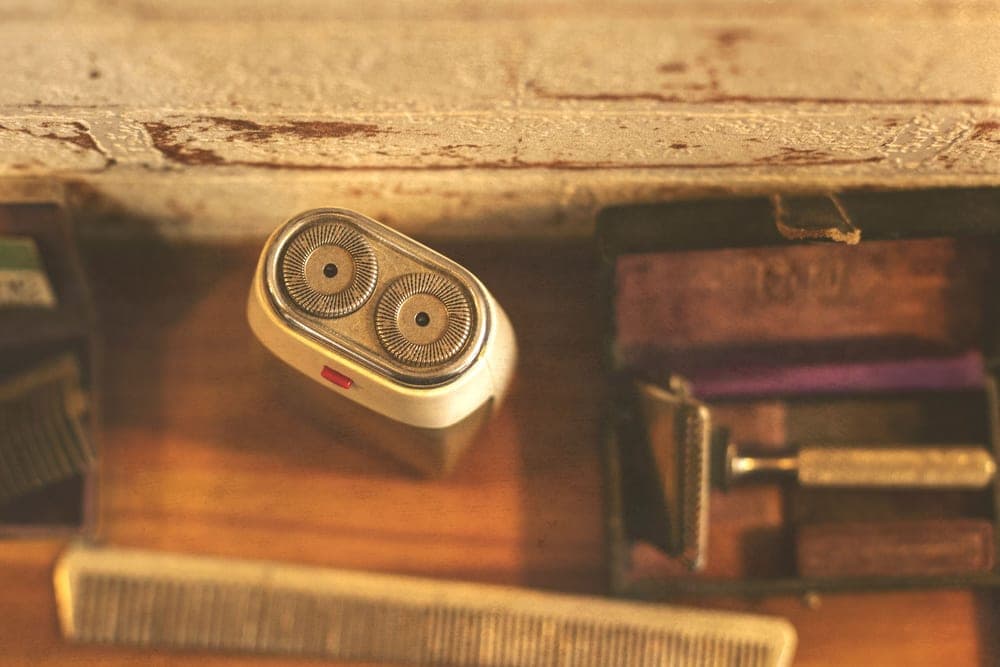
Foil cuts in lines, rotary in circles - which decides which face each suits. Not a quality question.
Head to head
Electric or manual, decided on closeness, time, irritation and refill economics - with both sides stated plainly.
Single review
Five published cutting elements, 60-minute runtime, and Braun's 18-month head replacement guidance.
Single review
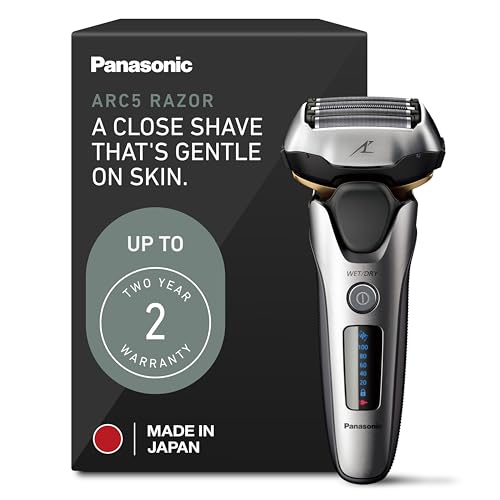
Published 14,000 CPM motor, 70,000 cross-cuts a minute and a 16-direction head - the most specified shaver here.
Single review
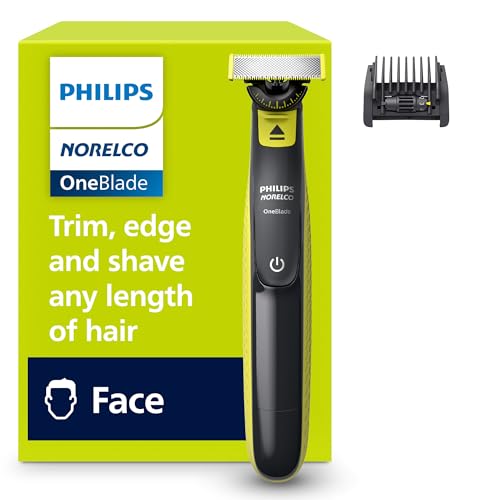
Five published comb lengths, 0.2 mm edging and a four-month blade life with a wear indicator on the blade.

Guide
Six causes of electric-shaver irritation ranked by likelihood, so you change the right variable first.
Guide
Five steps to keep a shaver cutting, including the brushing mistake that destroys foils.

Guide
The published replacement intervals, what actually wears out, and how to work out the true running cost.
Guide
What the switch from blade to electric actually involves: the technique inversion and the two-to-three-week adjustment.

Best head shaver
Three head shavers ranked on published IP rating, runtime, cutting heads and - the figure that decides cost of ownership - head replacement interval.
Top pick: Skull Shaver Pitbull Gold PRO
Head to head
What changes between wet and dry electric shaving - closeness, irritation, speed and cleaning - and which mode suits which skin.
Guide
When to replace, why the foil and cutter go together, how to match the part number, and the published intervals from the two makers who give one.

Guide
The three ways electric technique inverts blade technique, the different strokes foil and rotary need, and the pressure problem.

Guide
How to convert published runtime into shaves per charge, why charge time matters more than total minutes, and the sealed-cell problem.
Best travel shaver
Three shavers ranked for travel on published runtime, dual voltage, water rating and how much of your wash bag they take.
Top pick: Philips Norelco OneBlade 360
Head to head
What each machine physically does, why a trimmer cannot shave and a shaver cannot trim, and where the hybrids genuinely fit.
Guide
What a station actually does, the second consumable nobody counts, and the two cases where it genuinely earns its place.
Best for coarse hair
Three shavers ranked on published motor speed, cutting elements and head interval - the three figures that decide a shave on thick growth.
Top pick: Panasonic Arc5 ES-LV67
Best foil shaver
Foil shavers ranked on published cutting elements, runtime and head interval - plus why the OneBlade is on this page to be ruled out.
Top pick: Braun Series 9 PRO+
Best wet and dry electric shaver
Shavers that publish real waterproofing, ranked on cutting elements and runtime - and why lather changes the technique entirely.
Top pick: Braun Series 9 PRO+

Best budget electric shaver
Budget shavers on published runtime, elements and warranty, what a cheap shaver actually costs you, and the false economy to avoid.
Top pick: Remington F4 Style Series Foil Shaver (F4010)

Guide
What price actually buys in electric shavers, the figure that genuinely improves, and the case for spending nothing more.
Head to head
Braun's charging and replacement disclosure against Panasonic's published motor speed - and which gap matters for which beard.

Single review
The sensible stopping point in Braun's range on published runtime and charging - and the one disclosure gap that separates it from the flagship.

Single review
Philips’ rotary flagship on published runtime and cutting elements - who it suits, and the charging figure that counts against it.
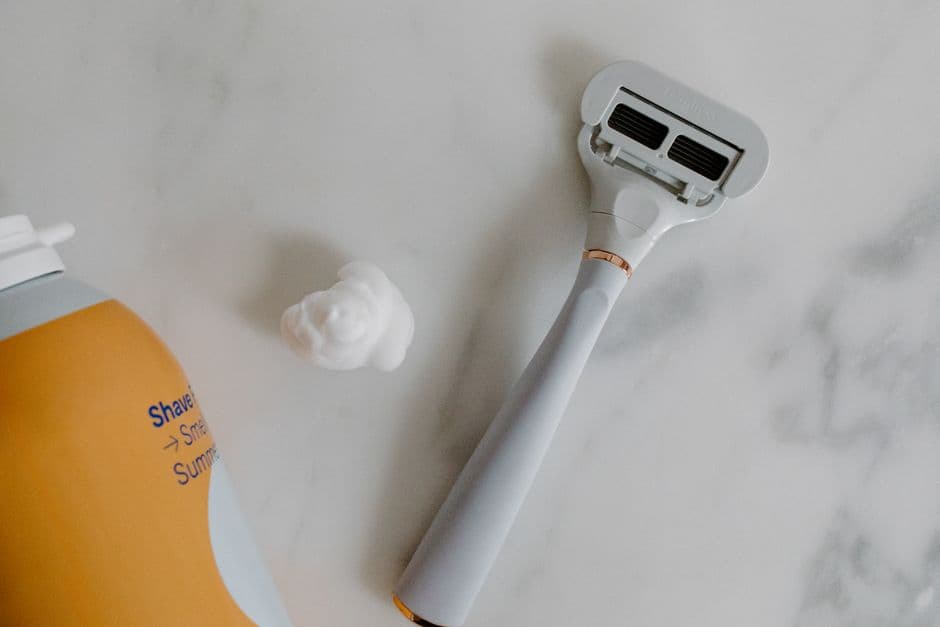
Head to head
What actually separates Braun's flagship from its mid-tier - two published figures, not a general step up in quality.

Single review
The budget foil that publishes its element count, matched on runtime and honest about the rest - plus the specification it leaves blank.
Single review
Why a palm grip beats a handle on a head, plus published runtime, IPX5 rating and a rare published head interval.

Head to head
Published blade life, runtime and waterproofing side by side - plus the thing each tool physically cannot do.
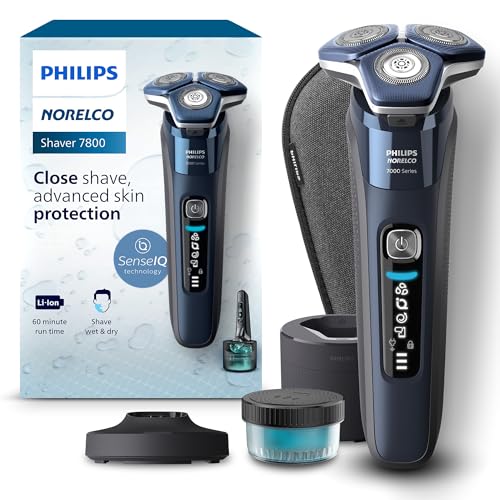
Best rotary shaver
Rotary shavers on published runtime, head flex and replacement interval, plus who should buy a foil instead.
Top pick: Philips Norelco 7800
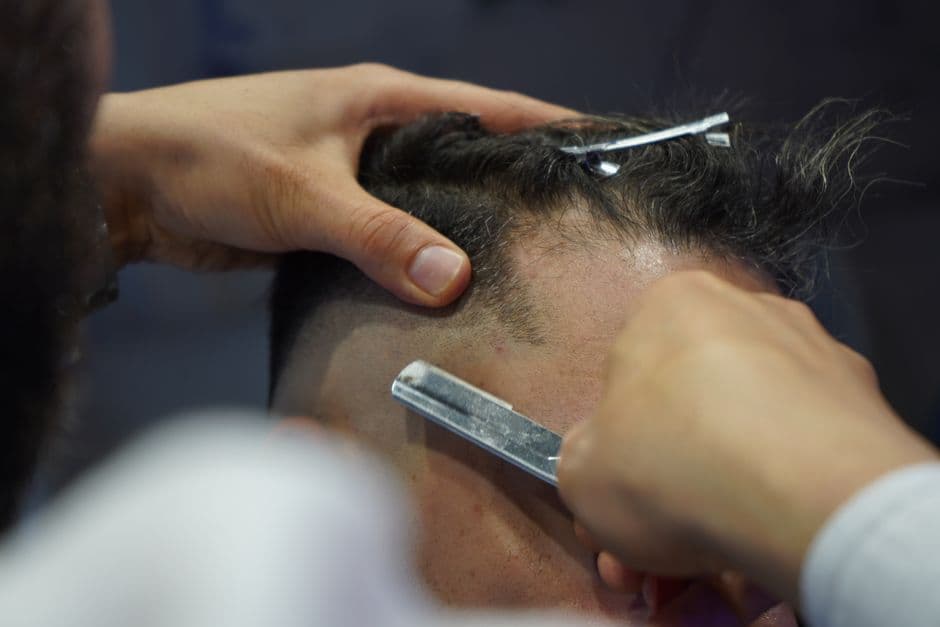
Head to head
Palm-grip head shavers on published battery, ingress rating and blade interval - and which one is cheaper to keep running.

Head to head
Flagship rotary against flagship foil on published elements, runtime and charging - and the growth pattern that decides it.
Best electric shaver for older men
Shavers chosen for grip, simple charging and fewer passes - on published quick-charge times, waterproofing and head flex.
Top pick: Braun Series 7 (360° Flex)

Best shaver to give as a gift
Shavers ranked on whether the maker publishes what is in the box and how long the warranty runs - for a gift that needs nothing else bought.
Top pick: Braun Series 8 8560cc
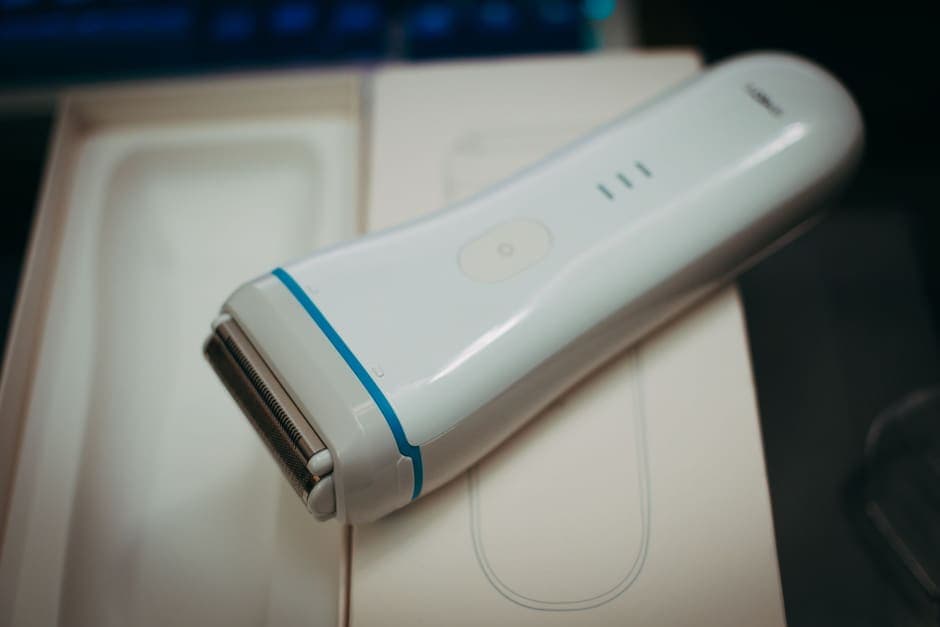
Head to head
Braun's Series 8 against the Series 9 PRO+ on published shaving elements, runtime, warranty, box contents and head replacement interval.
Best first electric shaver
First electric shavers ranked on simplicity, published runtime and washability - plus the flagship to avoid until you know the format works for you.
Top pick: Philips Norelco OneBlade 360
Single review
Four shaving elements, 60 published minutes and the only stated warranty term in this ledger - plus the one figure Braun leaves out.
Guide
What the published warranty terms and head intervals tell you about how long a shaver lasts, why the sealed battery usually ends it, and which makers state anything at all.

Head to head
Braun's Series 8 8560cc against the Philips Norelco 7800 on published runtime, warranty, head interval and box contents - foil against rotary at the gift price.
Prices last verified October 19, 2026. They move constantly; the figure on Amazon when you click is the real one.
Electric shaving is a different trade from manual shaving, and pretending otherwise is how people end up disappointed. You give up the last fraction of closeness. You get back speed, the ability to shave dry, and near-immunity to the nicks and razor burn that drive people away from blades in the first place.
If that trade sounds acceptable, this section will tell you which one to buy. If it does not, the wet shaving section is where you should be, and the head-to-head lays out the decision honestly rather than selling you the more expensive one.
A foil shaver oscillates blades behind a perforated screen and cuts in straight lines. A rotary shaver spins three or four circular heads and cuts in circles. Foil suits flat planes, fine-to-medium hair and shaving daily; rotary suits contoured faces, coarse or curly hair and shaving every few days. That is the whole distinction, and the full comparison covers the edge cases. The picks here are mostly foils, because the buyer this site is written for — someone leaving a cartridge razor and shaving most mornings — falls on the foil side of that line. One rotary is ranked alongside them so the comparison is a real one rather than a foregone conclusion.
Every premium shaver here is waterproof and can be used with lather. Whether you should is a matter of skin rather than machine: a dry shave is faster and a wet shave with a thin gel is gentler, and if you are getting irritation the wet option is the first thing to try. That, along with the pre-shave and pressure questions, is what the irritation guide is for.
One warning that applies to all of them: an electric shaver is designed to be moved slowly against the grain with the head flat on the skin, and almost every complaint of “it does not shave close enough” is somebody moving it fast and pressing. The technique is different from a blade and it is not intuitive.
Electric shaving is often recommended to people who cannot tolerate a blade, and it genuinely does help many of them, because nothing is scraping the top layer of skin away. The picks in the sensitive-skin roundup are the ones whose published design puts a guard or a flexing head between the cutter and the face. Read them alongside the razor bumps guide, because if ingrown hairs are the problem then a less close shave is the treatment, not a failure.
A shaver bought as a present is a different problem from a shaver bought for yourself: the recipient cannot tell you what his beard needs, so the box has to arrive complete. The gift-set roundup ranks on what each maker publishes as being in the box and on the warranty term, which turns out to separate the field far more sharply than any shaving specification does - exactly one maker here publishes either.
The commonest mistake with an electric is buying the top model to find out whether the format suits you at all - the beginner roundup ranks on simplicity, washability and being cheap enough to be wrong about, because the two-to-three week adjustment period is real and no amount of money skips it. If you are already past that, Series 8 against Series 9 comes down to one cutting element and two disclosure gaps that point in opposite directions, and the Series 8 review covers the two things Braun writes down that nobody else in this category does - what is in the box, and how long the shaver is expected to last.
No, and any page telling you otherwise is selling something. A good foil shaver gets close enough that most people cannot tell by the afternoon. If you need baby-smooth-by-touch every morning, that is a blade job.
Manufacturers commonly say two to three weeks, and the reason is that the hair and skin adjust to being cut rather than sliced. If you are two days in and disappointed, that is expected rather than diagnostic.
They are the largest ongoing cost of owning a premium electric shaver, and unlike double-edge blades there is no commodity standard, so the maker sets the price. That is exactly what our refill-economics axis marks down, and it is why a published replacement interval — like the OneBlade's four months — is worth more than it looks.