
Best overall
The best beard trimmer
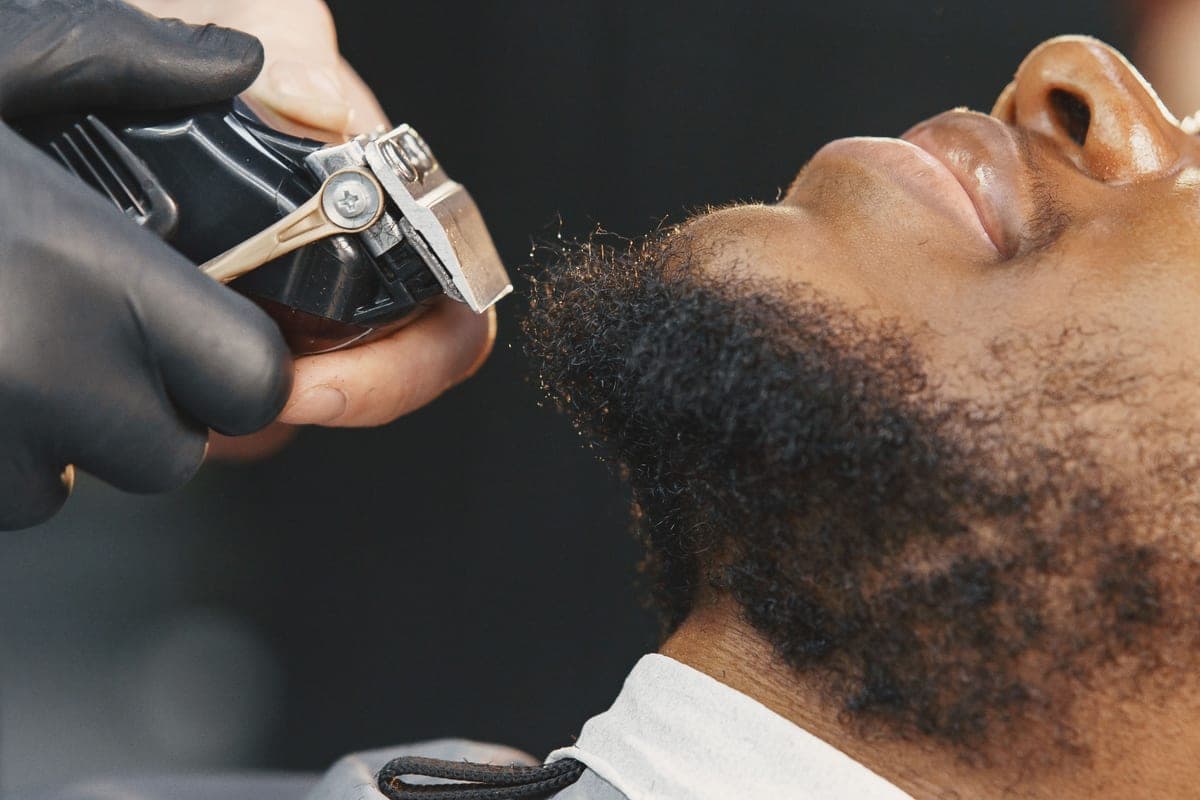
Four trimmers ranked on published runtime, charge time and cutting range - not on attachment count.
Top pick: Wahl Aqua Blade
Trimmers ranked on published runtime and length settings rather than on how many attachments are in the box, plus the oils, the technique, and what the guard numbers actually mean.
Nothing here has been tested by us. How we pick · Who writes this · How we earn
In this section
The guides are free to read and always will be. The ranked picks carry affiliate links, and the top pick's buy button is on every card so you never have to dig for it.
Best overall
Four trimmers ranked on published runtime, charge time and cutting range - not on attachment count.
Top pick: Wahl Aqua Blade
Best for stubble
Trimmers for stubble compared on published minimum length and setting increments, where fractions of a millimeter show.
Top pick: Wahl Aqua Blade
Best for coarse hair
Trimmers for coarse, dense or curly beards, compared on published cutting range, blade life and washability.
Top pick: Wahl Aqua Blade

Best beard oil
Four beard oils ranked on published carrier oils and volume, with the case for starting unscented.
Top pick: Honest Amish Classic Beard Oil
Head to head
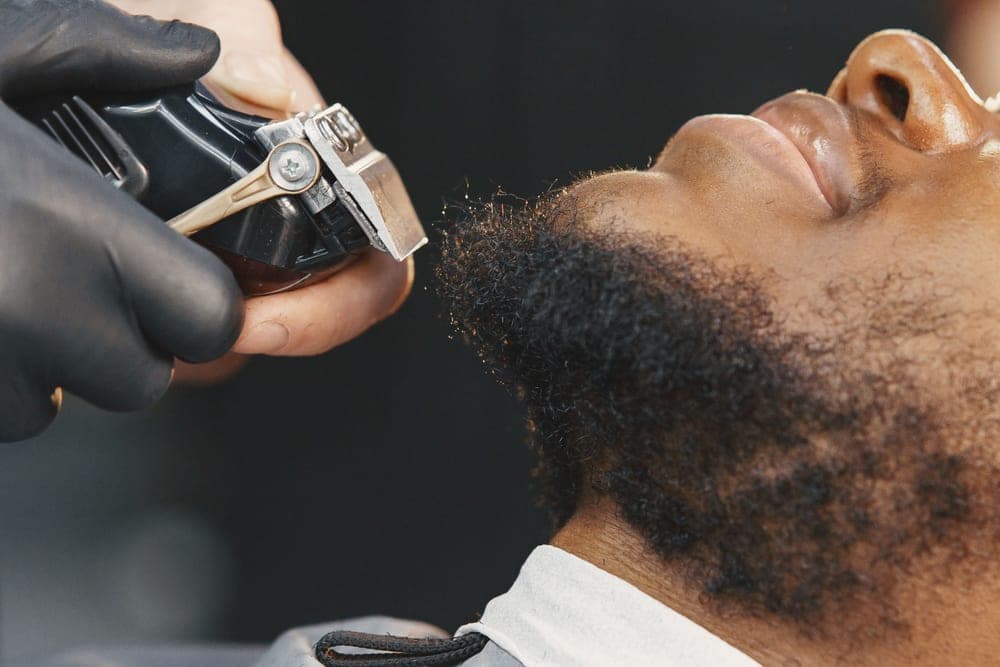
Trimmer or clippers, decided on blade width and guard increments - and when one tool genuinely does both.

Head to head
Balm is oil plus wax. Under an inch of beard the wax does nothing, which decides the question.

Single review
Five hours of published runtime, a five-minute quick charge and 23 pieces - the one-device case, examined.

Guide
Seven steps in the right order, with the neck line and cheek line rules that fix most bad home trims.

Guide
Five changes ranked by effect - the first two are free - for a beard that is wiry rather than dry.
Guide
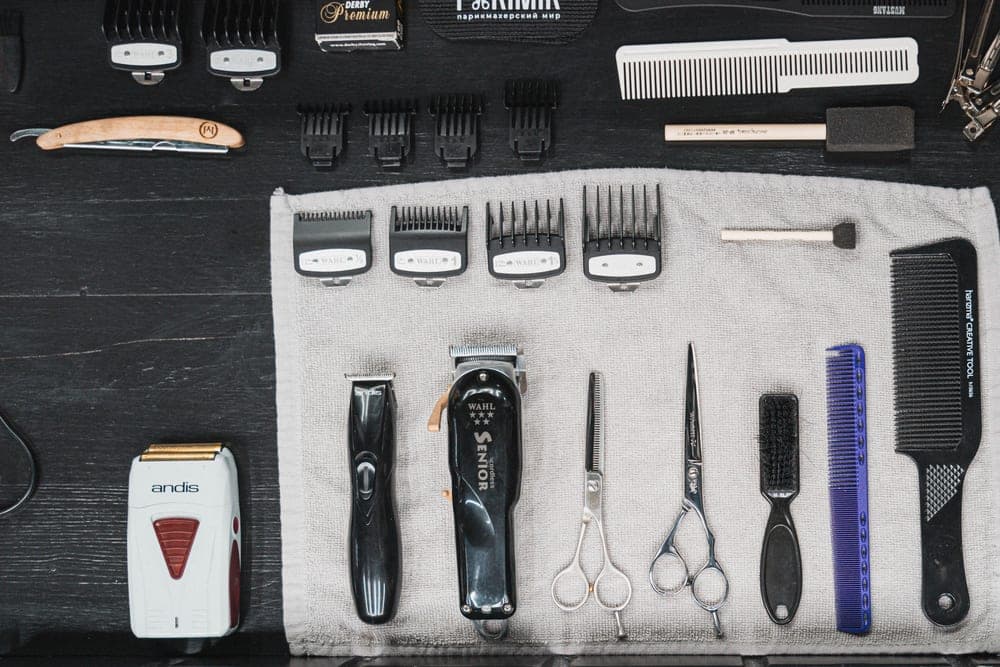
What guard numbers mean, the millimeter equivalents, and why they are not standardized between brands.

Best beard wash
Three beard washes ranked on published formulas - plus the case that a facial cleanser may already do the job.
Top pick: CeraVe Foaming Facial Cleanser
Best brush and comb
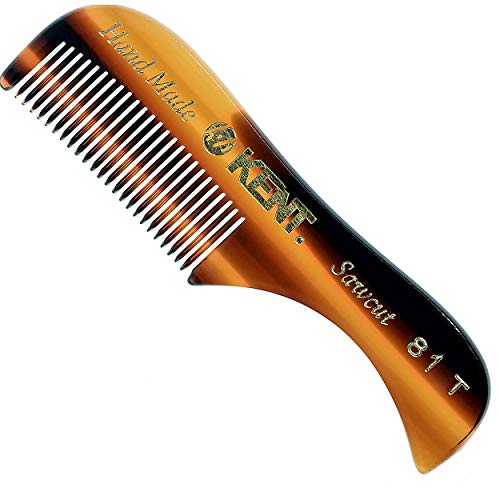
Brush and comb picks, plus the sawcut-versus-molded distinction that decides whether a comb splits hair.
Top pick: Kent 81T Beard and Mustache Comb

Guide
Wait four weeks, then style around gaps rather than filling them - plus an honest word on growth products.
Guide
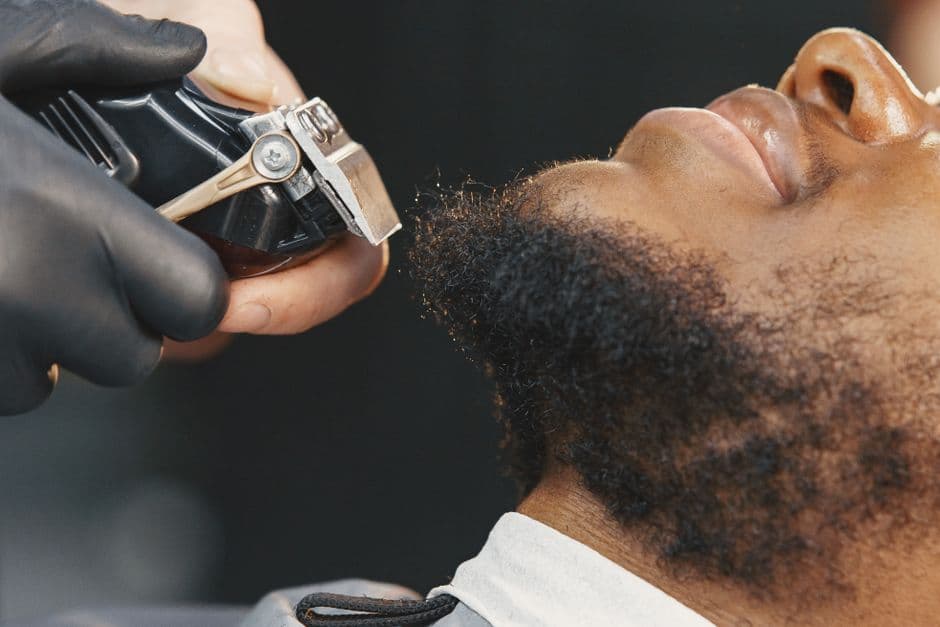
Where the neckline actually goes, how to curve it, how to fade the edge, and what to do if you have already cut it too high.

Guide
The single geometric rule behind every face-shape recommendation, then the specific lengths and trimmer settings each style needs.

Guide
Why a beard itches and flakes, the five causes in order of likelihood, and the regulated actives with published percentages that treat the common one.

Guide
A week-by-week growth timeline, what to do at each stage, and an honest account of which products help and which do nothing.

Guide
The daily, weekly and monthly split, what each step does, and the two steps that are worth more than all the products.

Guide
The comb-down method, where the lip line actually goes, how to thin bulk without a step, and the two common mistakes.

Guide
The staged clipper-down method, why skin under a beard needs different aftercare, and how to change your mind halfway.

Head to head
The real upkeep schedules, the tools each needs, and which one suits patchy growth, sensitive skin or a job with a dress code.
Best first beard setup
The four items a first beard actually needs, why boxed kits pad the count, and what to add later rather than now.
Top pick: Wahl Aqua Blade
Head to head
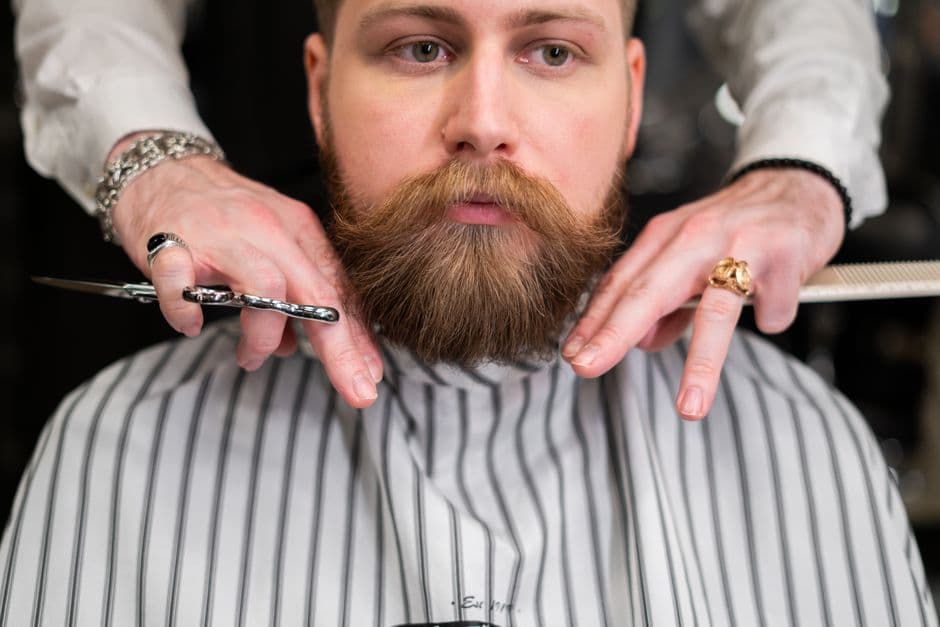
What each tool is for, the length at which scissors start earning their place, and why the tension screw is the spec that matters.
Best all-in-one grooming kit
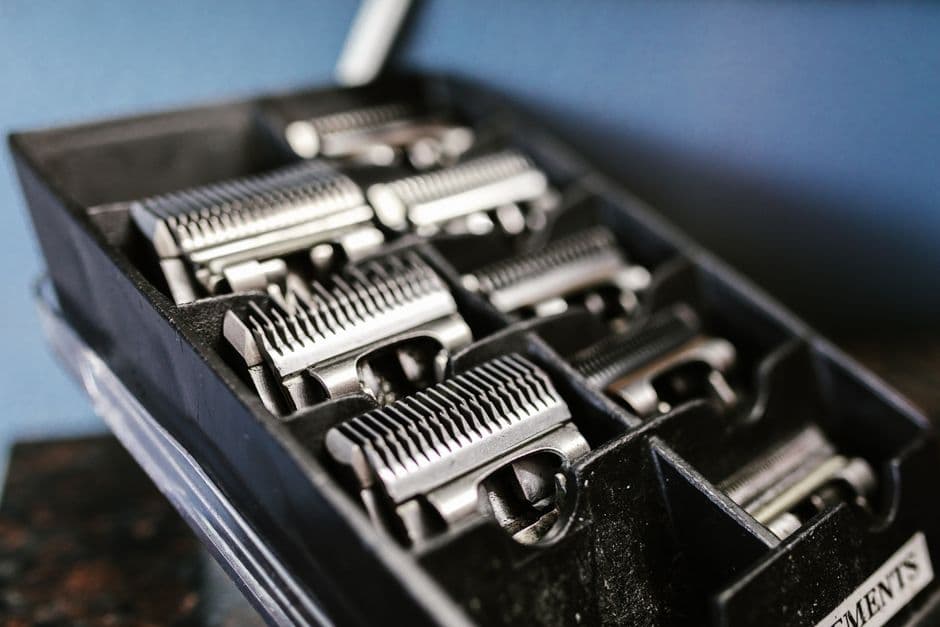
Four all-in-one kits ranked on published runtime, length settings and warranty, plus the piece-count trap and how many of the attachments you will actually use.
Top pick: Philips Norelco Multigroom 7000
Best trimmer for a long beard
Trimmers ranked on published maximum comb length, why 25 mm is the practical ceiling, and the tool that takes over past it.
Top pick: Wahl Aqua Blade
Best beard balm
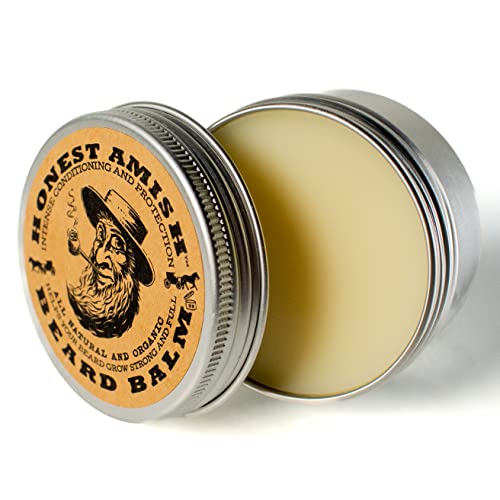
Three balms on published net weight and named ingredients, plus the length threshold below which an oil is the better buy.
Top pick: Honest Amish Beard Balm

Best beard straightener
Heated beard brushes with published temperature ranges, heat-up times and anti-scald tooth depth - plus the setting to actually use.
Top pick: Aberlite Pro
Guide
What a beard growth kit contains, why this site will not rank one, and the four things that genuinely change how a beard looks.

Best mustache wax
Mustache waxes judged on the published wax type, why carnauba outholds beeswax, and the length below which you do not need one.
Top pick: Honest Amish Original Wax

Guide
What beard oil actually does, the claim it cannot support, and why a short published ingredient list beats a long one.
Single review
40 published length settings in 0.5 mm steps and a full published contents list - against the shortest battery of any kit here.
Single review
The finest published length resolution of any single-purpose trimmer here, and the runtime figure that counts against it.
Single review
The longest published runtime and widest range of any trimmer here, plus the only real warranty disclosure in the category.

Guide
When a heated brush earns its place, the cheaper thing to try first, and the setting rule that limits what it costs you.
Single review
The trim-and-shave hybrid on published runtime and blade life - and why a published interval is worth more than another attachment.
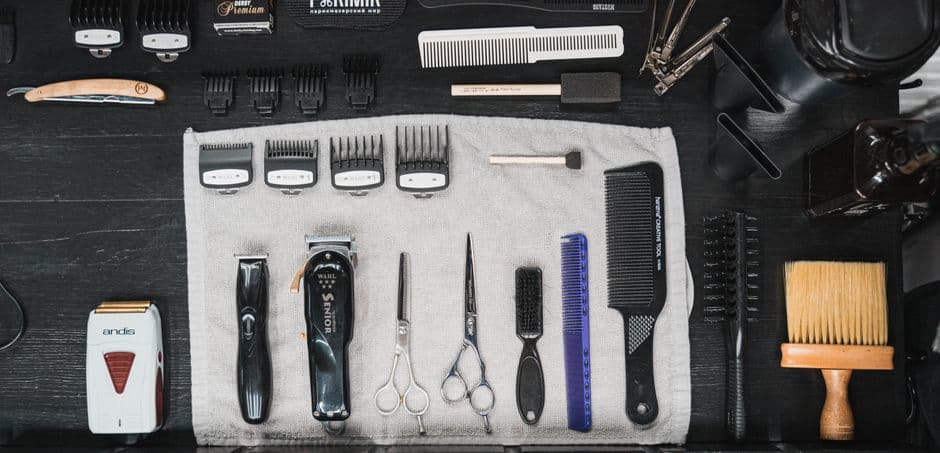
Single review
The value multigroomer on published runtime, settings and warranty - and the one capability the 7000 keeps for itself.
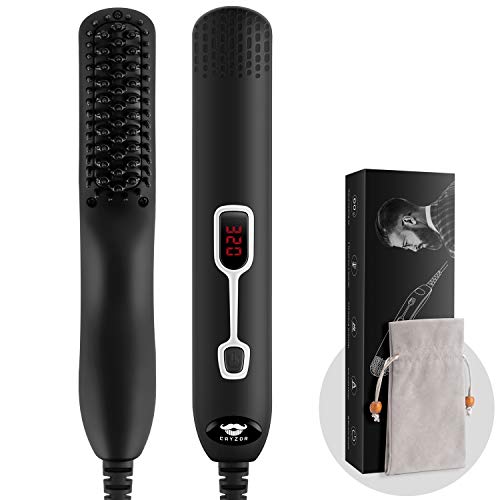
Best budget beard straightener
Affordable heated beard brushes on published temperature range, the floor that lets you start low, and the one whose lowest setting is already hot.
Top pick: Cayzor Beard Straightener Comb

Guide
Where the taper belongs, the three-guard sequence, blending without steps, and how to fix a fade that went too high.
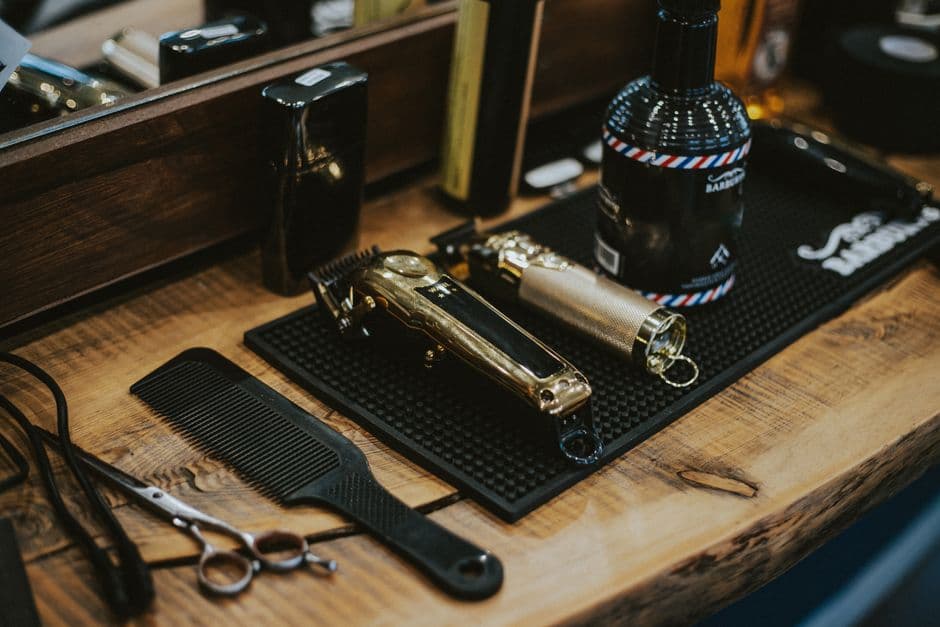
Best budget beard trimmer
Budget trimmers on published runtime, charge time, cutting range and warranty, and the figure each one leaves out.
Top pick: Philips Norelco Multigroom 5000 (MG5910/49)

Best beard dye
Beard dyes on published processing time, ingredient disclosure and warnings - plus the 48-hour test you do before every single use.
Top pick: Just For Men Mustache & Beard M-55
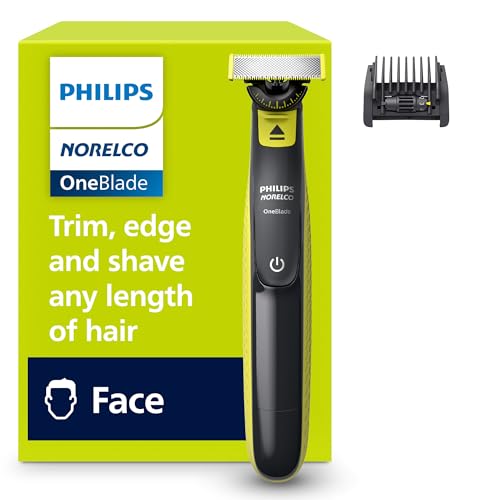
Best beard trimmer and shaver
Trimmer-and-shaver combos on published blade life, runtime and settings - plus what the word shaver actually means on each box.
Top pick: Philips Norelco OneBlade 360
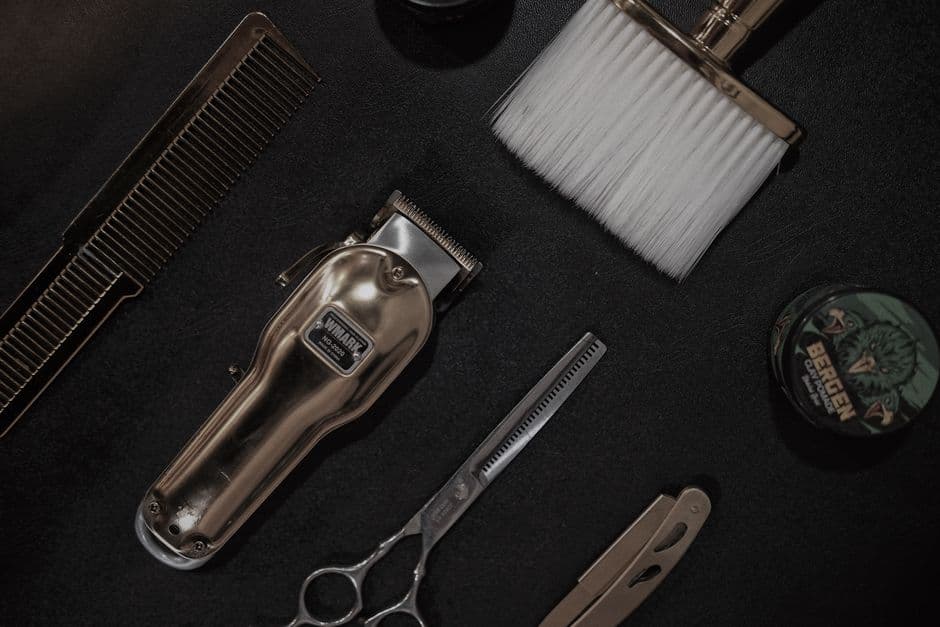
Head to head
The two big all-in-one kits on published settings, runtime, waterproofing and what the shaving half actually is.
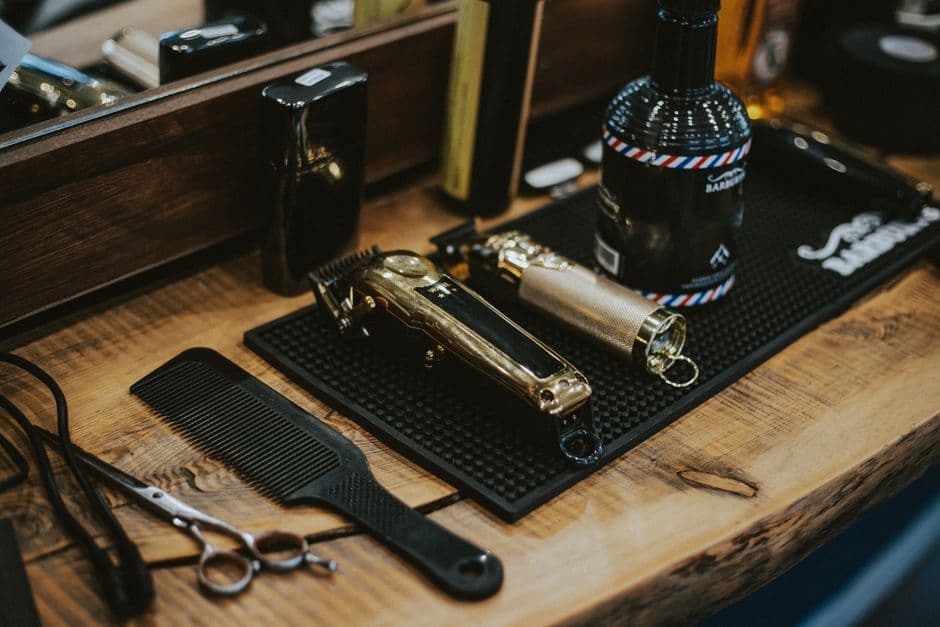
Head to head
Two premium beard trimmers on published settings, cutting range, runtime and warranty - and which specification actually matters for your beard.
Best beard trimmer for sensitive skin
Trimmers for reactive skin on published blade design, washability and minimum length - plus the setting that causes most of the irritation.
Top pick: Philips Norelco OneBlade 360

Head to head
Beard wash or shampoo, settled on published ingredient lists and FDA drug-facts labels rather than on marketing.

Guide
The step-by-step method, the temperature rule that limits damage, and the two things to do before reaching for heat at all.
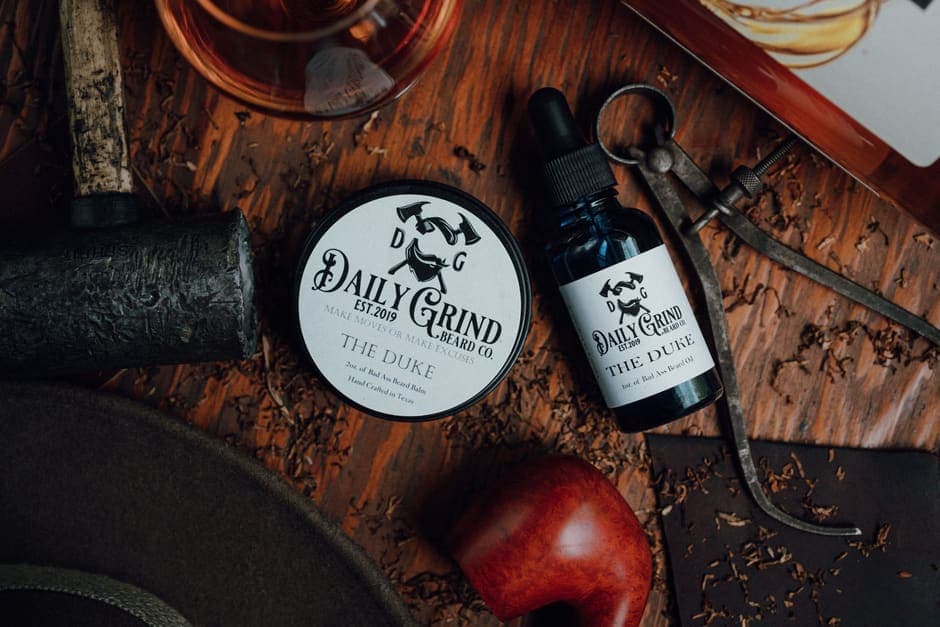
Head to head
Wax on the ingredient list is the whole difference: balm holds, butter only conditions. Which to buy, by beard length.
Best grooming gift
Grooming gifts by price band, from a six-dollar comb to a premium razor - and why the multi-piece box is the one to avoid.
Top pick: Kent 81T Beard and Mustache Comb

Head to head
Heated beard brushes compared on published temperature range, number of stops, anti-scald depth and warranty - flagship against budget.
Single review
Ten published settings from 210 F, a published 2 mm anti-scald tooth depth and a 2-year warranty - and why the 430 F ceiling is the part to ignore.

Best grooming stocking stuffer
Six grooming stocking stuffers under twenty dollars, ranked on published ingredients and construction - plus the cheap one you should not give unprompted.
Top pick: Kent 20T Folding Pocket Comb
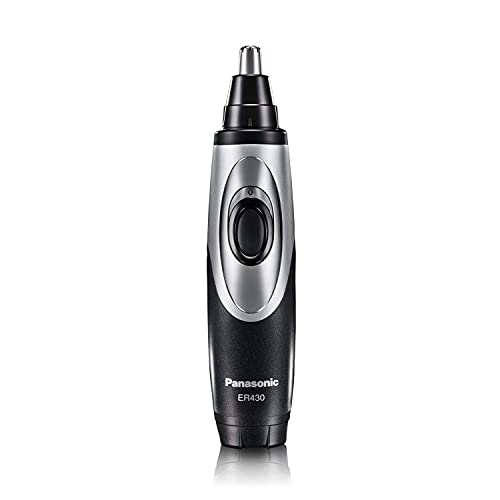
Best grooming gift for dad
Five grooming gifts for a father, chosen for coarser ear and nose hair, drier skin and a routine nobody wants to relearn.
Top pick: Panasonic ER430K

Head to head
Aberlite's full-size heated brush against its compact one, on published temperature stops, heat-up time and dimensions - and the beard length that decides it.

Single review
The Philips All-in-One 7000 judged on its published 5-hour runtime, 0.2 mm precision comb steps and full contents list - plus the warranty and water rating it does not state.
Single review
A 39-entry published ingredient list, three waxes, three butters and an independent SkinSAFE 91 allergen rating - plus the fragrance-free sibling that fixes its one real weakness.
Prices last verified October 19, 2026. They move constantly; the figure on Amazon when you click is the real one.
Two purchases and one skill. The purchases are a trimmer and something to put in the beard afterwards. The skill is knowing which guard number to use and in what order, and it takes about three attempts to learn.
The trimmer market is deliberately confusing. Every manufacturer competes on the number of attachments in the box, because a box with twenty-three pieces looks better on a shelf than a box with three. Almost none of that matters. What matters is four published figures: how long it runs, how long it takes to charge, what range of lengths it cuts, and whether you can rinse it under a tap.
Every trimmer in the main roundup is scored on those and on whether the maker publishes them at all. Braun publishes a six-month blade sharpness figure, which is unusual and creditable. Philips publishes runtime prominently and a full length-setting list nowhere.
Every trimmer here uses a proprietary cutting head. There is no commodity standard for trimmer blades the way there is for double-edge razor blades, so whoever made your trimmer sets the price of keeping it running forever. This is why the refill-economics axis marks all of them down together: it is not a criticism of any one product, it is the shape of the whole category, and it is worth knowing before you buy rather than after.
The practical consequence is that a trimmer with a published blade life is worth more than one without, because you can at least plan the cost. The OneBlade is the clearest example in either direction: Philips publishes a four-month blade life and puts a wear indicator on the blade itself, which is honest, and also tells you exactly what you are signing up for.
A guard number is a length in millimeters or a position on a dial, and manufacturers use both conventions without saying which. A #2 guard on one brand is not a #2 on another. What is consistent is the relationship: the number is how much hair is left standing, so a lower number cuts shorter. The guards guide has the full mapping and the one rule that saves most bad haircuts — start two numbers longer than you think you want, and work down.
Beard is one of six filled sections on this site. It links across to electric shaving — because the decision between a trimmer and a shaver is a real one that most people make badly — and to skin, because the skin under a beard is skin nobody washes properly and it is the source of most of what people blame on the beard itself.
A heated brush is the fastest-growing purchase in this section and the easiest to use badly, because heat damage to hair is cumulative and does not repair. The method guide is built around finding the lowest temperature that works on your beard rather than the one on the front of the box. Afterwards the beard needs moisture putting back, which is where the leave-in layer comes in - butter versus balm turns on a single ingredient, and once you know which one you are holding the choice makes itself.
A grooming gift succeeds if it ends up on the shelf he reaches for and fails if it ends up in the drawer under the sink, which rules out most boxed sets - the gift page ranks one good thing per price band instead, and names the multi-piece box as the thing to skip. On the straightener side, the flagship-against-budget question has its own page: Aberlite Pro against the Cayzor turns on the bottom of the temperature range rather than the top, which is the opposite of how the category is sold, and the Aberlite Pro review goes through the one specification nobody else in the category publishes - how far the comb teeth hold the hot plate off your face. On the consumable side, the Honest Amish Beard Balm review reads a 39-entry ingredient list and an independent allergen score against each other, which is a rarer thing to be able to do here than any trimmer specification.
Probably, and the reason is blade width and guard increments rather than power. Clippers are built for the sweep of a scalp and step in coarse increments; a beard trimmer has a narrower blade for edging and finer steps for the lengths a beard actually lives at. The head-to-head covers when one tool genuinely does both.
Once a day is the common advice and it is more than most people need. Start with a few drops every other day on a towel-dry beard, and increase only if the skin underneath still feels tight. Using more oil than your face wants is the fastest way to decide that oil does not work for you.
It is worth checking, not necessarily worth paying for. What matters more is the quick charge. A trimmer that gives you three minutes from a one-minute charge never stops you shaving, whatever its total runtime is.