
Best overall
The best safety razors
Seven safety razors ranked on published weight, head geometry and refill economics, with one pick named up front.
Top pick: Edwin Jagger DE89
Razor, blades, lather, brush and what goes on afterwards. Ranked roundups, head-to-head comparisons, single reviews and technique guides — enough to assemble the whole thing once and stop thinking about it.
Nothing here has been tested by us. How we pick · Who writes this · How we earn
In this section
The guides are free to read and always will be. The ranked picks carry affiliate links, and the top pick's buy button is on every card so you never have to dig for it.
Best overall
Seven safety razors ranked on published weight, head geometry and refill economics, with one pick named up front.
Top pick: Edwin Jagger DE89
Best for beginners
Five mild razors for a first month, ranked on published weight and geometry. Nothing adjustable, nothing aggressive.
Top pick: Edwin Jagger DE89

Best starter kit
The complete first purchase: razor, blade sampler, soap, brush and balm, each named with the reason for it.
Top pick: Merkur 34C HD

Best blades
Double-edge blades ranked on published coating and pack size, with the case for buying a sampler first.
Top pick: Astra Superior Platinum

Best lather
Six soaps and creams ranked on published net weight and ingredients, with the shaves-per-puck arithmetic printed.
Top pick: Cella Crema da Barba

Best brush
Three brushes ranked on published knot diameter, loft and fiber, with the case for starting synthetic.
Top pick: Yaqi Tuxedo synthetic, 24 mm

Best aftershave
Three aftershaves ranked on published ingredients and alcohol content, with the traditional splash named as the skip.
Top pick: Thayers Alcohol-Free Witch Hazel Toner
Head to head
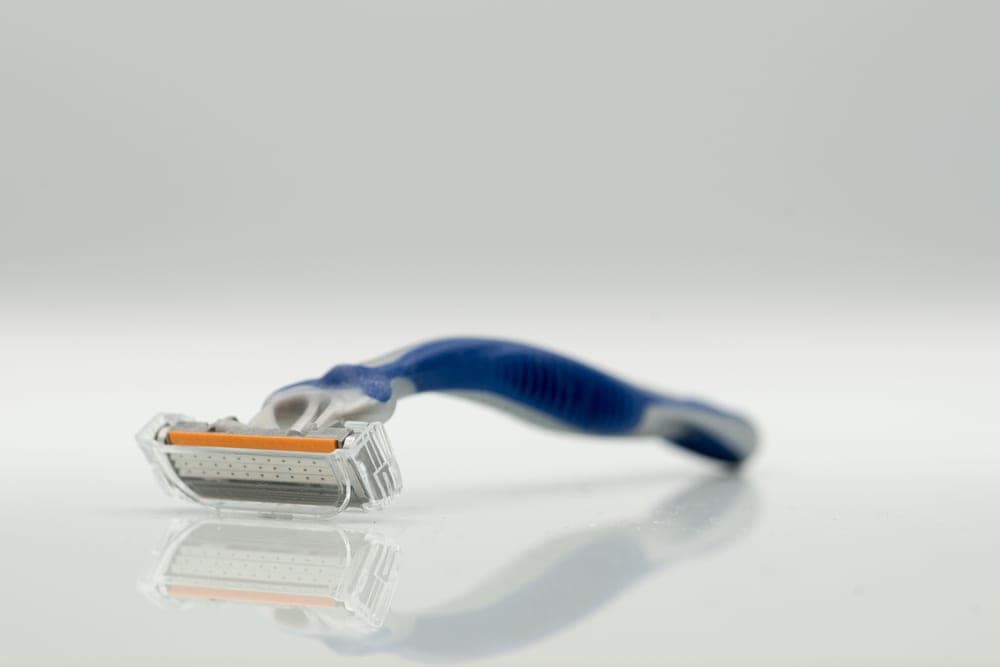
Safety razor or cartridge, decided on refill economics and learning curve, with a calculator that uses your prices.
Head to head
Cream or hard soap, decided on technique required, container yield and published ingredients.
Head to head
Astra or Feather, compared on published coating and edge thickness, with a clear rule for which one you are ready for.

Head to head
Badger, boar or synthetic compared on water capacity, break-in and drying, with the case that fiber is rarely the upgrade.
Single review
A specification-led look at the Merkur 34C: 68 g, 80 mm, closed comb, and what Merkur does not publish.
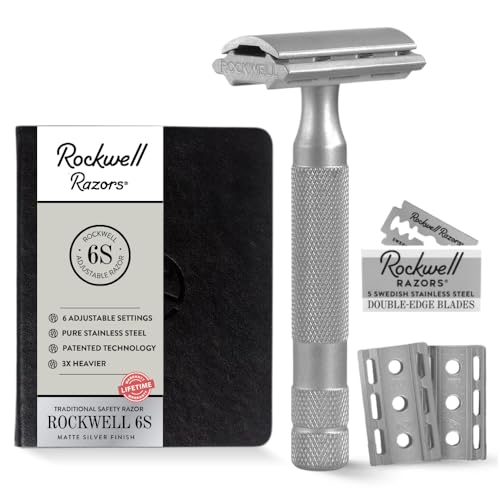
Single review
118 g of 316L stainless with six published blade gaps - the only razor here that tells you what it is doing.

Single review
64 g chrome-plated closed comb with a blade in the box - the lightest and longest of the classic three.

Guide
Seven steps in order, plus the two mistakes - angle and pressure - behind almost every first-month problem.

Guide
The six causes of razor burn ranked by likelihood, so you change the right variable instead of buying a new razor.
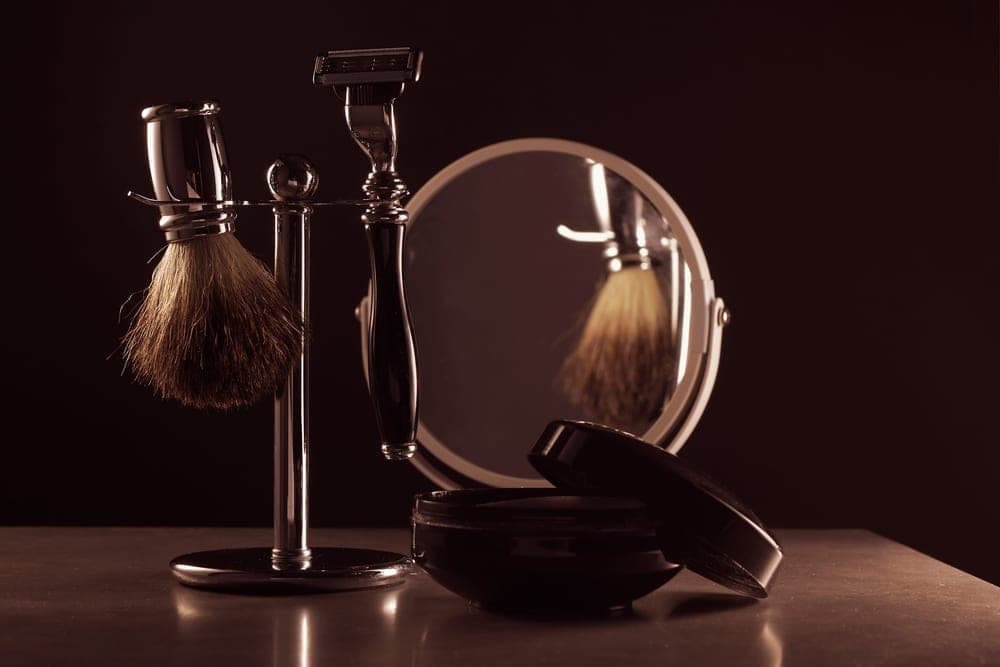
Guide
The first month of wet shaving week by week: what to buy, what goes wrong, and when it stops.
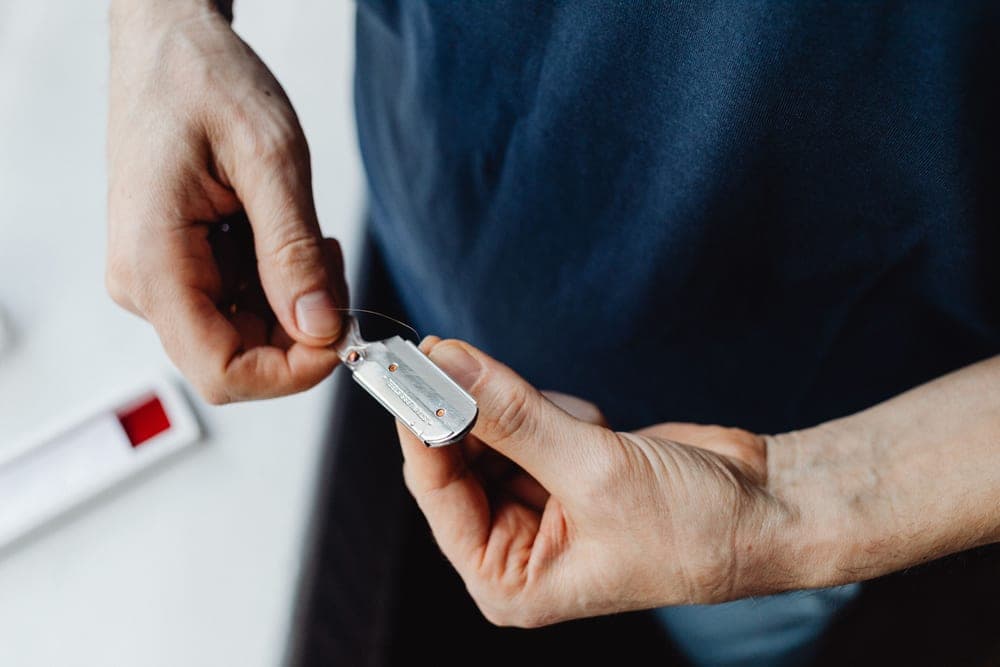
Guide
How to run a blade sampler properly - one blade a week, one variable - so the answer is true for your face.
Best for sensitive skin
Five mild razors ranked on published blade geometry - the property that decides irritation and almost nobody discloses.
Top pick: Merkur 34C HD
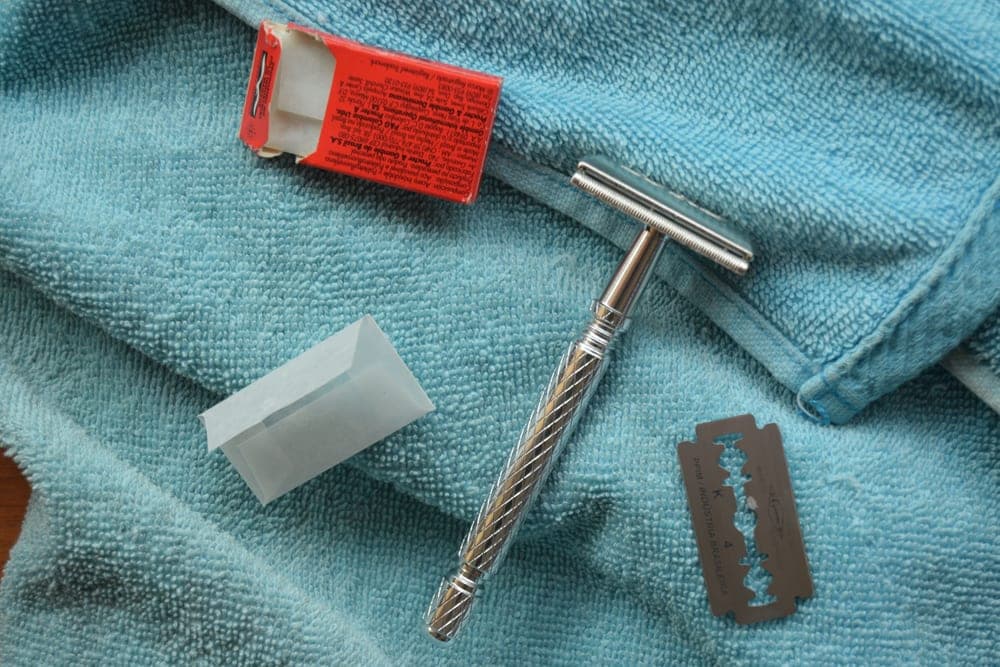
Guide
Rinse daily, strip weekly, scrub the threads monthly - and why a head that does not seat flat changes how the razor cuts.

Best straight razor
A honed carbon-steel straight razor against two replaceable-blade shavettes, ranked on published steel, hardness and blade exposure.
Top pick: Feather Artist Club SS
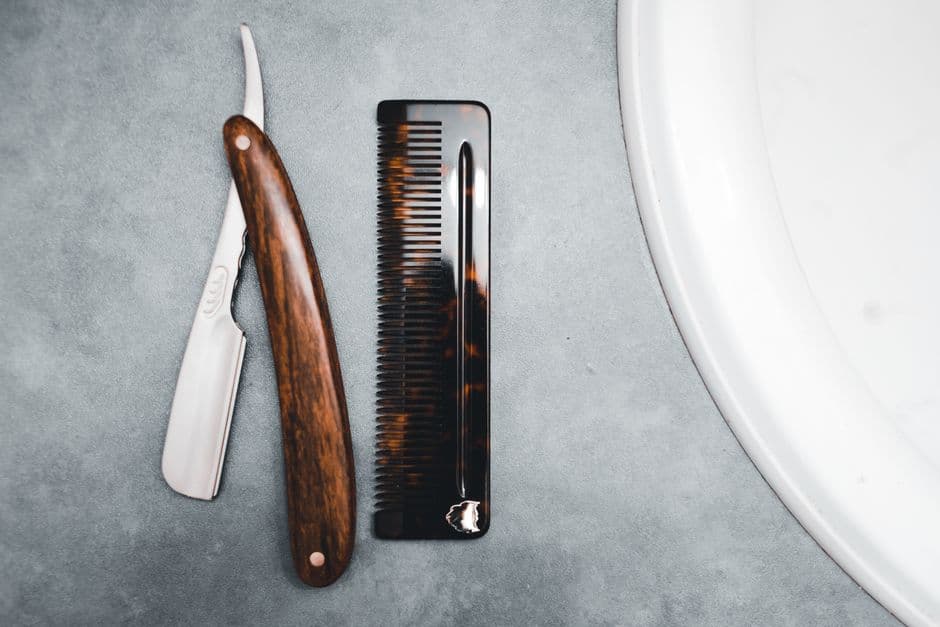
Head to head
The maintenance regime, the angle tolerance and the learning curve - the three things that actually differ, with the closeness question settled.

Best pre-shave
Three picks with published ingredient lists, ranked - and a straight answer on when pre-shave does nothing at all.
Top pick: Osma Alum Block 75 g

Guide
The full sequence for a head shave: clipper down, map the growth, work in sections by feel, and the two aftercare steps a scalp needs.

Best lather bowl
A heated scuttle, a ribbed stoneware bowl and a stainless one, ranked on published dimensions, base texture and whether the thing holds heat.
Top pick: Georgetown Pottery G20 Shaving Scuttle
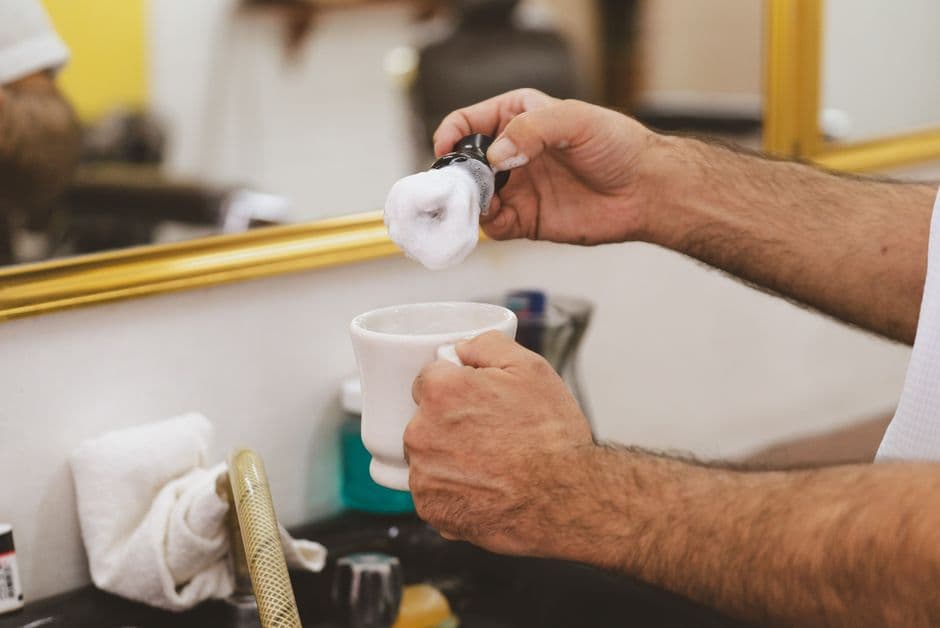
Guide
The load-then-hydrate method, how to tell when it is right, and the four ways a lather goes wrong with a fix for each.
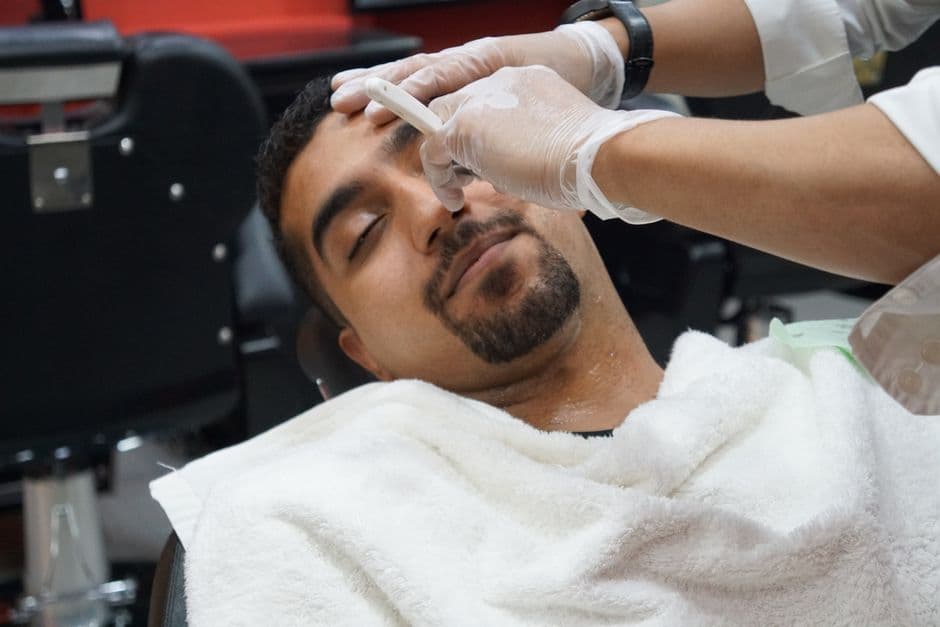
Guide
Angle, grip, stretch and stroke order for a replaceable-blade straight razor, plus the three areas to leave alone until month two.
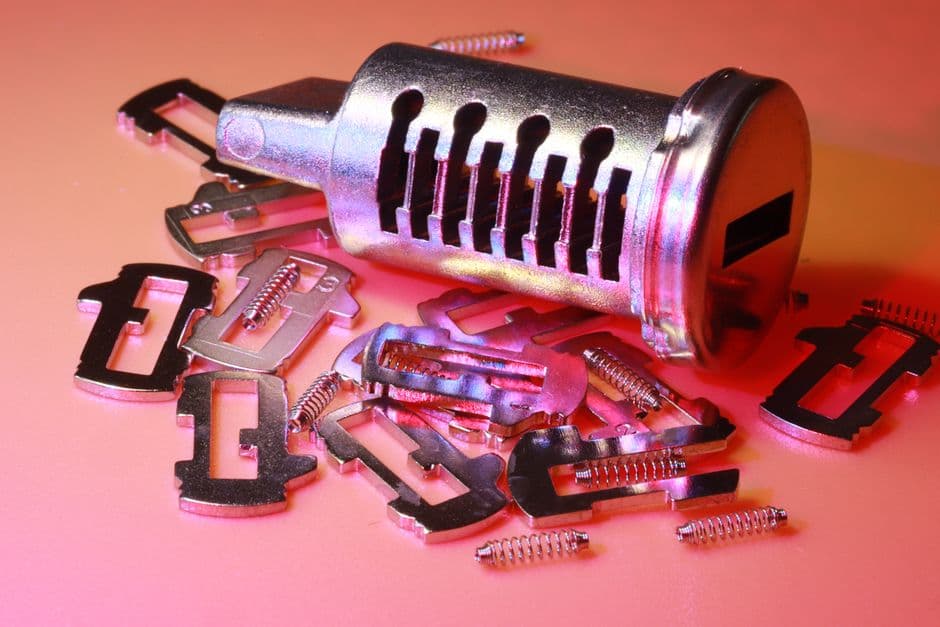
Head to head
What the comb actually does, why it is a clearance decision rather than an aggression one, and which beard genuinely benefits.
Head to head
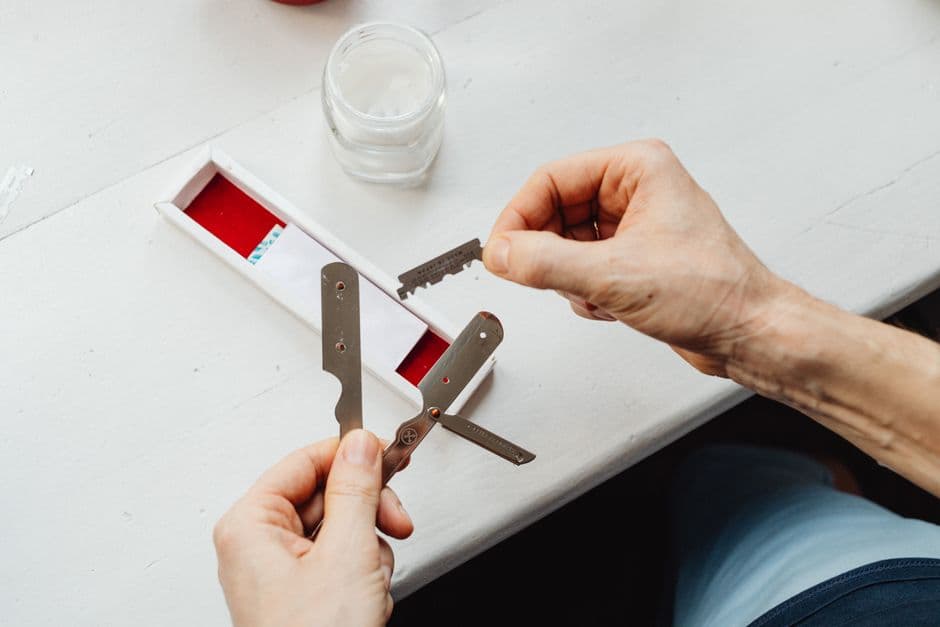
Published blade gaps against a fixed head, what adjustability actually buys, and why the more informative razor is still the second one to own.

Guide
Why the neck goes wrong, how to map its changing grain, and the across-the-grain rule that trades a little closeness for a lot of comfort.

Guide
The carry-on blade rule, how to pack a soap and brush that will not leak or mold, and the three ways to shave at the other end.
Best razor for head shaving
Manual razors for a scalp, ranked on published blade gap, weight and handle length - plus the one razor to keep away from your head.
Top pick: Rockwell 6S

Best shaving cream for sensitive skin
Sensitive-skin shaving creams judged on the published ingredient list rather than the word on the front, with the fragrance-allergen problem spelled out.
Top pick: Vanicream Shave Cream

Best shaving cream
Brushless creams, brush creams and what to avoid, ranked on published net size and full ingredient lists.
Top pick: Cremo Original Shave Cream

Best strop
Strops ranked on published stropping surface and belt count, what stropping actually does, and which razors need no strop at all.
Top pick: Illinois #361 Leather Razor Strop
Guide
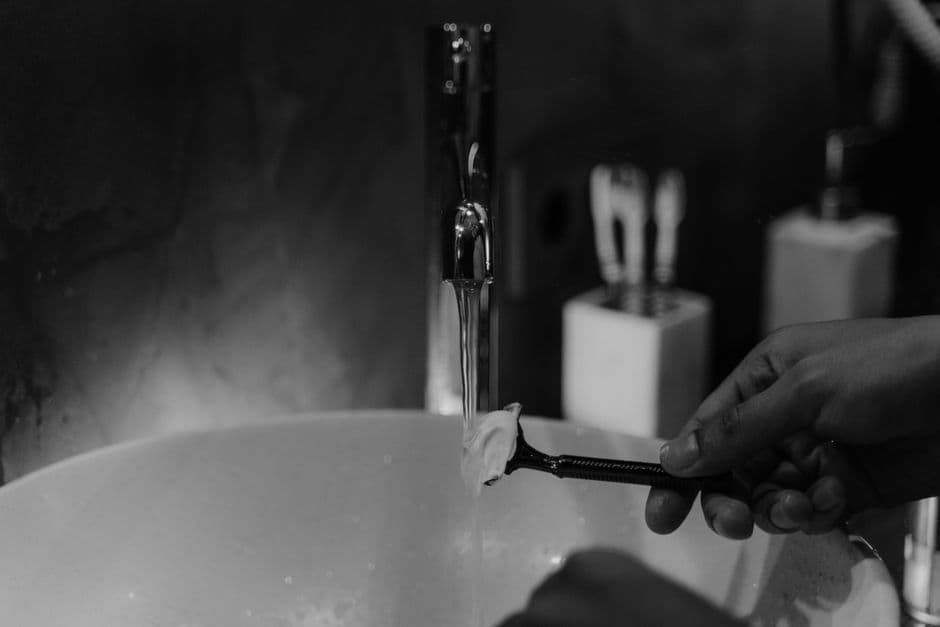
What switching actually saves, what it costs in time and learning, and the three cases where staying on cartridges is the right call.
Head to head
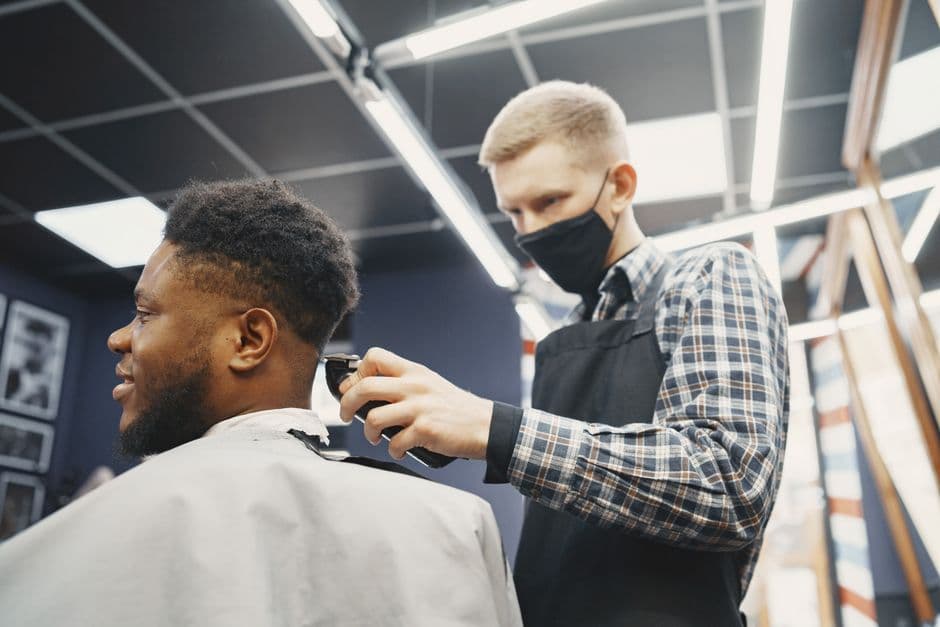
Both 68 g, both mild closed combs, both standard blades. Handle length is the real difference - and one maker publishes more of its dimensions.
Single review
The same weight and geometry as the 34C with a longer grip, made in Sheffield - and the one figure Edwin Jagger publishes that Merkur does not.
Single review
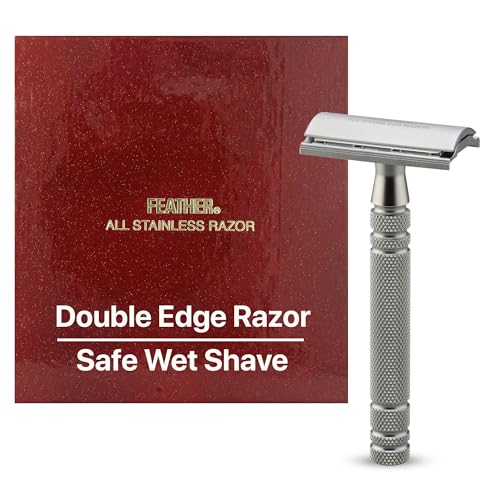
Solid stainless at 91 g with no plating and no adjustment - the buy-it-once razor, and an honest look at what the money does not buy.

Single review
The lightest razor in this ledger, with a published 30-degree blade angle and 12.7-micrometer machining - and why light changes the technique.

Single review
Twist-to-open loading, 100 g over a 114 mm handle, and an honest look at what a butterfly mechanism trades away.
Head to head
What solid stainless actually buys over chrome-plated brass, what it costs, and why material is the last thing to decide.
Guide
How many shaves a blade actually gives, the signs it is done, and why stretching a blade is the most expensive saving in wet shaving.
Guide
What a brush actually does, the two claims it does not support, and when your hands are genuinely good enough.
Guide
What a strop actually does, the spine-leading motion, how many laps, and the single mistake that rounds an edge over.
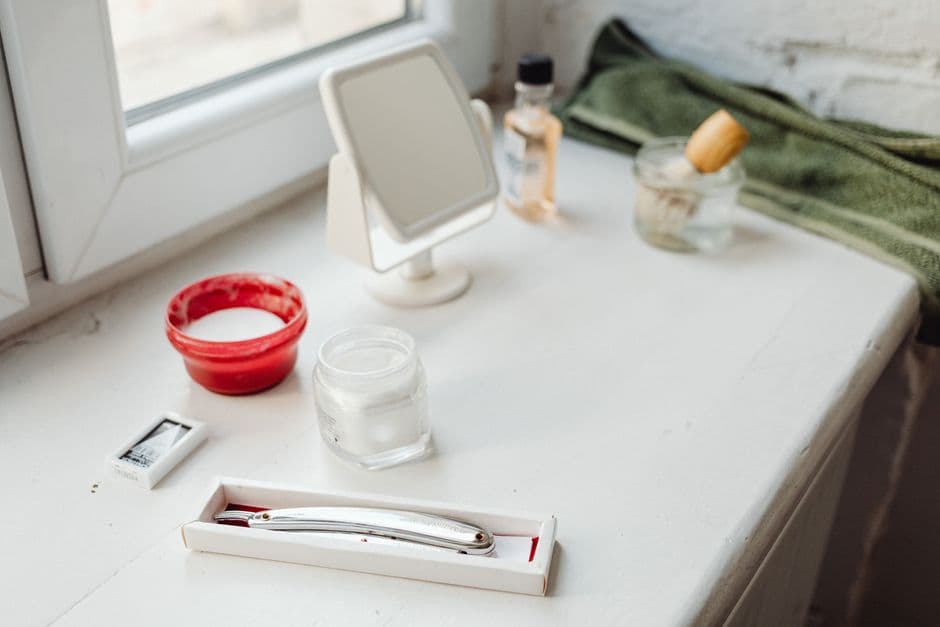
Guide
The 30-second routine after every shave, the monthly deep clean, and the two habits that rot a handle or shed a knot.

Guide
What calcium does to a lather, the four fixes in order of cost, and the products hard water cannot ruin.
Best safety razor for a thick beard
Razors for dense growth ranked on published blade gap, weight and head type, plus the setting to actually start on.
Top pick: Rockwell 6S

Best cartridge razor
Cartridge systems on published blades, blade life and disclosure, with the running cost set out rather than hidden.
Top pick: Harry's Original razor
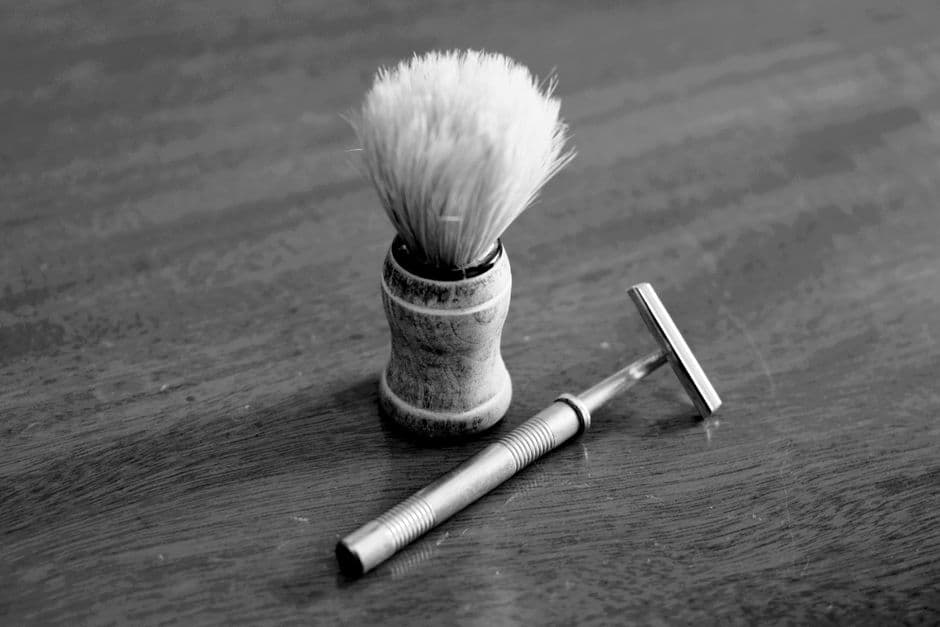
Head to head
A 37 g aluminum razor with a published blade angle against 68 g of chrome-plated brass - and which philosophy suits a new wet shaver.
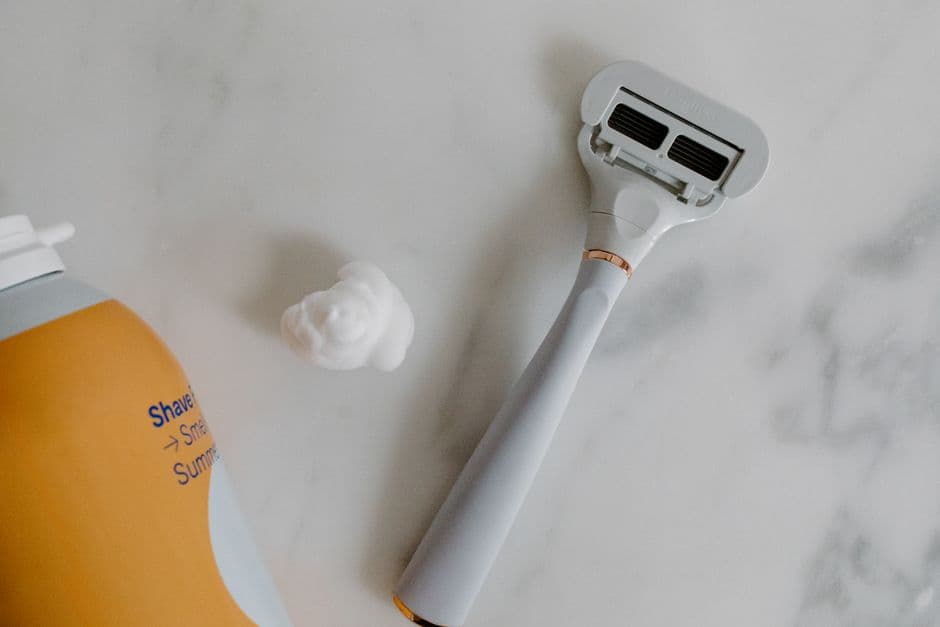
Head to head
An adjustable stainless razor with six published blade gaps against a mild classic closed comb - and who actually needs the adjustment.
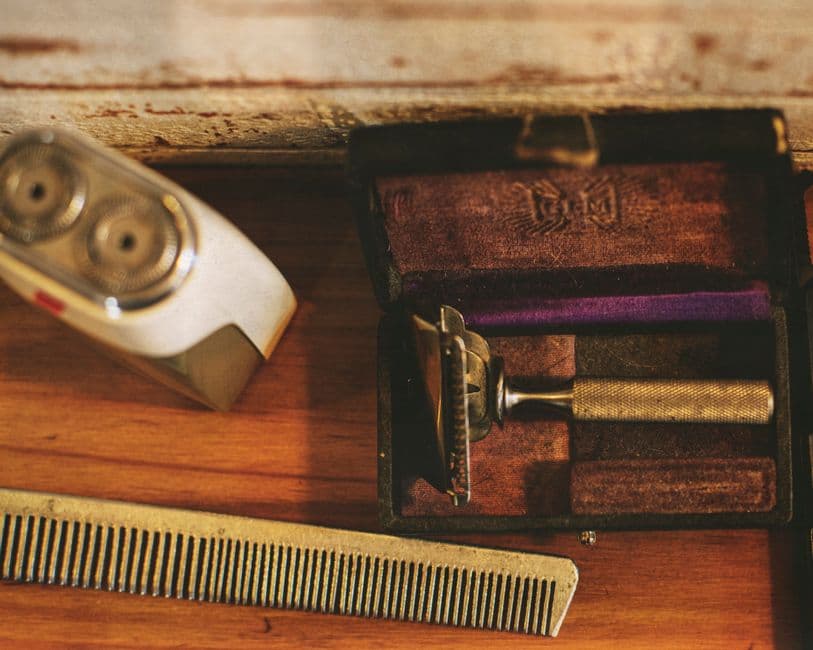
Head to head
Butterfly loading against a two-piece head, on published weight and handle length - plus who each mechanism actually suits.

Head to head
Proraso Green against Cella Crema da Barba on published size and ingredients - scent, lather behavior and cost per shave.
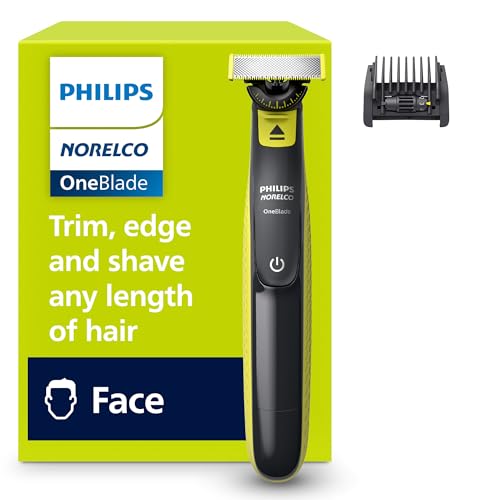
Best first razor for a teenager
First razors on published blade design, running cost and forgiveness - plus what a teenager actually needs to be taught.
Top pick: Philips Norelco OneBlade 360
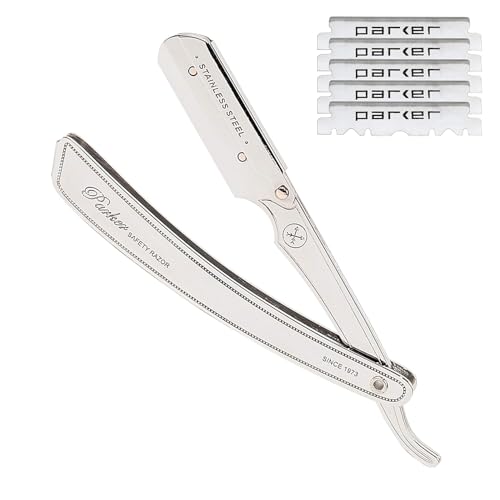
Best straight razor for beginners
Beginner straight razors on published blade exposure, materials and upkeep - and why a shavette is the honest first purchase.
Top pick: Parker SRX
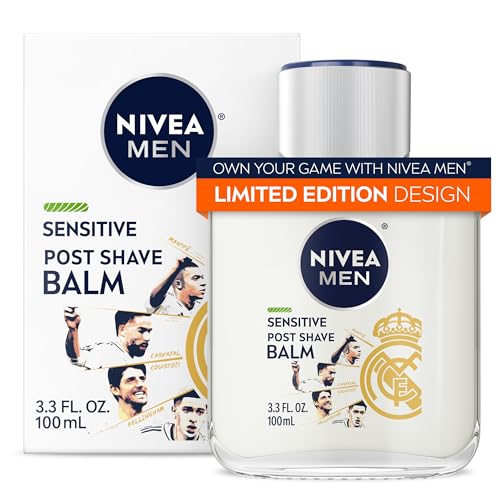
Best aftershave for sensitive skin
Alcohol-free aftershaves on published ingredients and size - what to use on freshly shaved skin and what the sting actually is.
Top pick: Nivea Men Sensitive Post Shave Balm
Best razor for ingrown hairs
Razors judged against published dermatology guidance for razor bumps: one blade or an electric, kept sharp, never shaving closely.
Top pick: Henson AL13 Medium
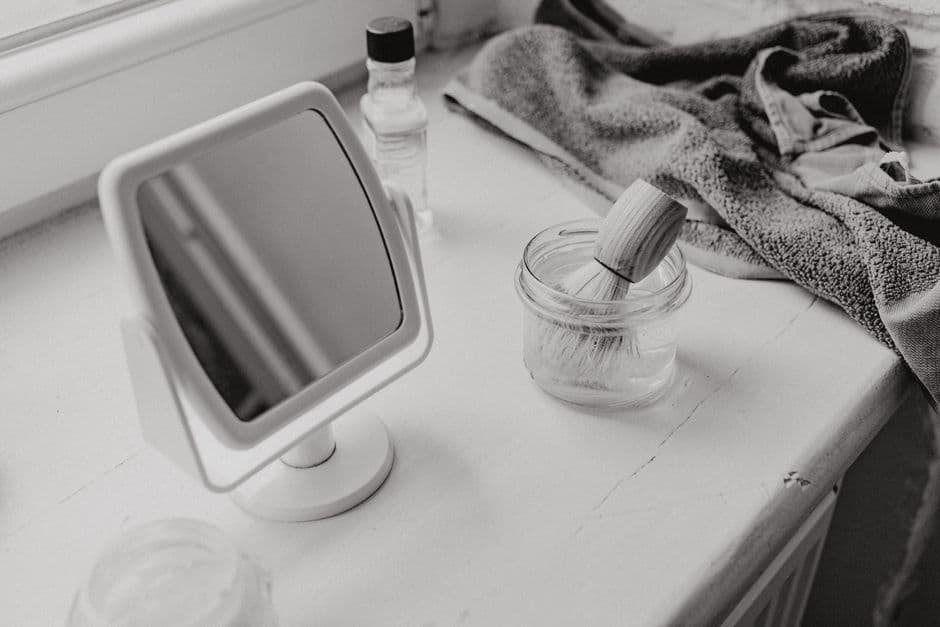
Guide
What knot diameter and loft actually change, why the ratio beats either figure, and how to derive a loft a maker will not print.
Best adjustable safety razor
Four adjustable razors on published weight, materials and blade gap - and the awkward fact that only the plate-based one publishes a gap at all.
Top pick: Rockwell 6S
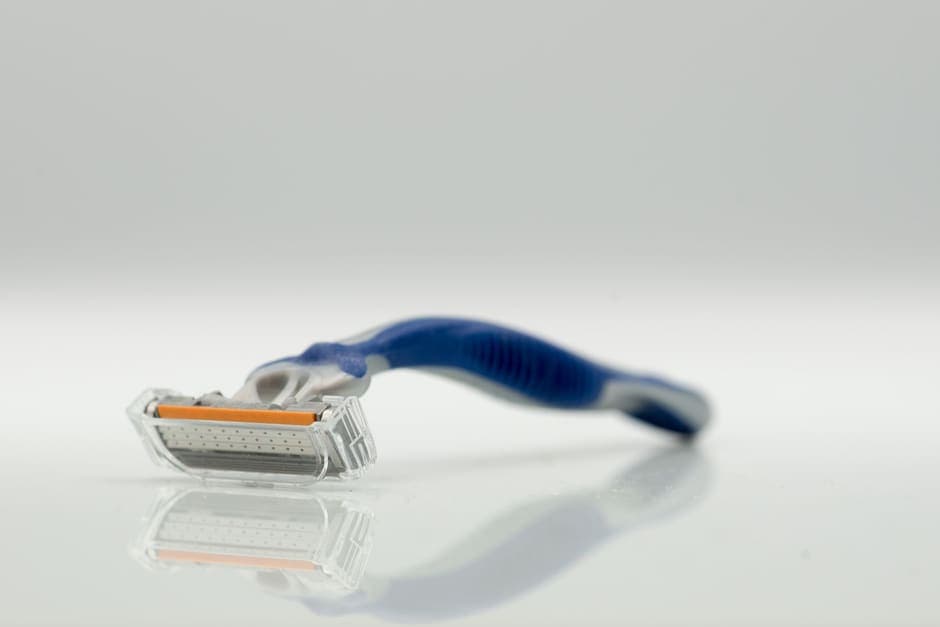
Guide
The published blade-life claims for each cartridge system, why dermatology guidance says a third of that, and the running cost of each interval.

Best cartridge razor for sensitive skin
Cartridge razors ranked on published blade count and whether the maker states the blades cut at skin level - not on closeness.
Top pick: Gillette SkinGuard

Guide
What a heated razor publishes, what warmth actually does to hair and skin, and the free alternative that reaches the same temperature.

Head to head
Japanese stainless against chrome-plated brass, compared on published weight, material and construction - and whether the premium buys a better shave.
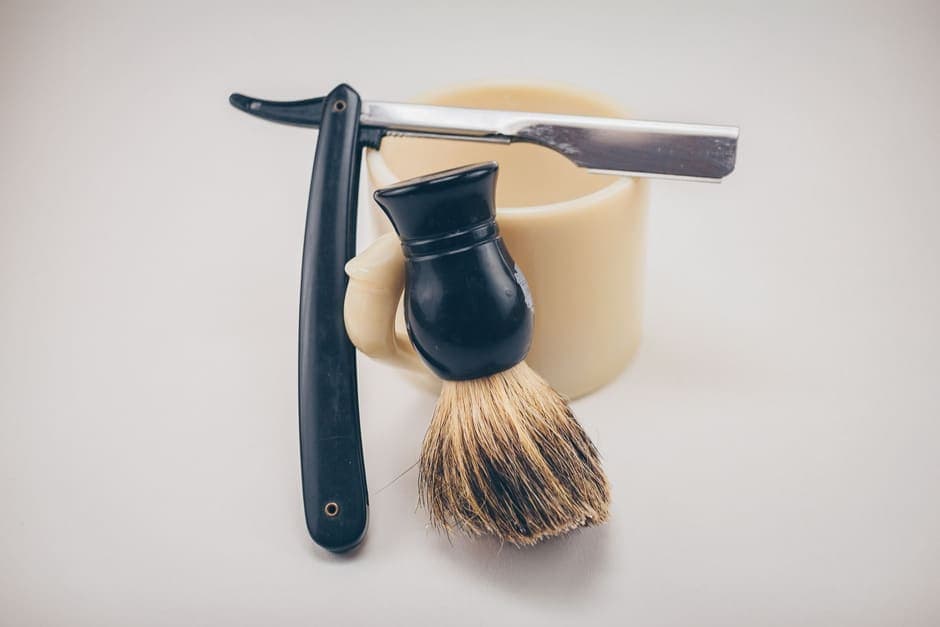
Head to head
A 37 g fixed-geometry razor with a published blade angle against a 118 g adjustable with six published blade gaps.
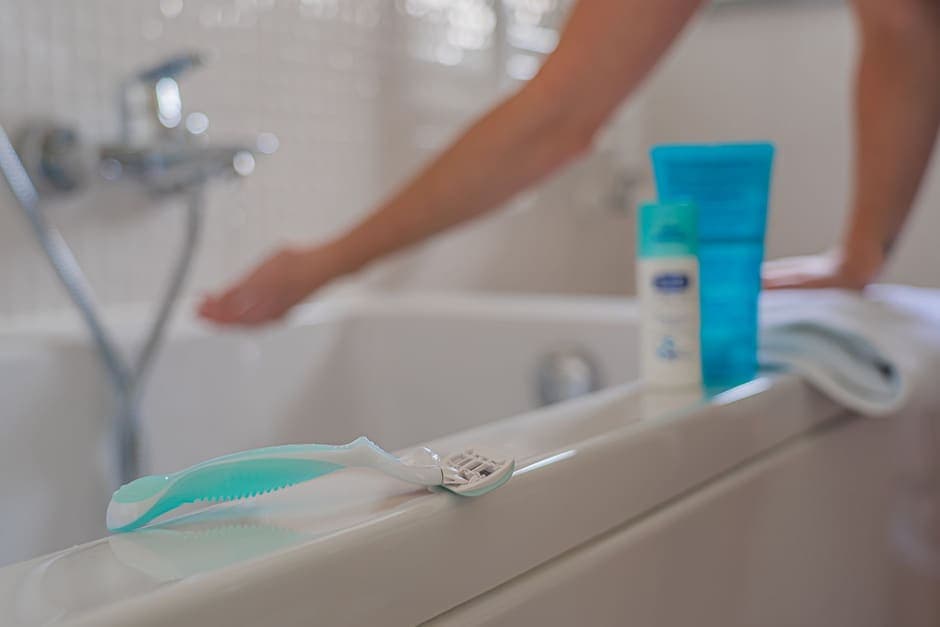
Head to head
Harry's Original against the Gillette ProGlide on published blade count, blade life, steel origin and what the refills commit you to.
Single review
The Feather Artist Club SS judged on published figures: 1.25 mm exposure, 43 g of SUS317 stainless, proprietary blades and no honing for the life of the razor.
Prices last verified October 19, 2026. They move constantly; the figure on Amazon when you click is the real one.
Everything you hold in your hand and everything you put on your face. Five things make up a manual shave — a razor, a blade, something to make lather, something to spread it, and something for afterwards — and every one of them is a separate purchase with its own roundup here.
The reason to treat them as five things rather than one is that they fail differently. A razor is a one-time purchase you will still own in twenty years. A blade is a five-shave consumable you will buy a hundred at a time. Soap is somewhere in between. If your shave is going badly, knowing which of the five is responsible is most of the diagnosis, and the single most common beginner mistake is blaming the razor for a blade problem.
If you are arriving here from a cartridge razor and want the shortest possible route to a shave that works, buy in this order:
This is the part nobody in the category writes down. A cartridge system is cheap at the handle and expensive forever afterwards, because the refill only fits that handle and the price of it is set by one company. A double-edge razor inverts that: the razor costs more than a plastic handle, and the blade that goes in it is a commodity standard made by factories in half a dozen countries competing on price.
That is why the refill economics axis exists in our scoring, and why every roundup here carries a running-cost line. A hundred double-edge blades at five shaves each is 500 shaves, which at five shaves a week is close to two years. Put your own numbers into the calculator — we do not publish a dollar figure, because we have no price today that we can stand behind, and a remembered price is a number you would act on.
Every product carries a score out of ten built from four axes: how long it lasts, how easy the switch from a cartridge is, whether the refill is a commodity or a maker's monopoly, and how much the manufacturer actually publishes. That last axis surprises people, and it separates this field more than any performance claim does. Rockwell publishes six blade gaps to the thousandth of an inch. Most of its competitors publish nothing about the geometry of the head at all, which means their mildness cannot be compared to anything and you are being asked to take it on faith.
The score is ordinary page content. It is never emitted as structured data, because a rating in structured data asserts a reviewer who used the product, and that is not what happened here.
A cartridge razor is designed to be pushed into the face; the pivoting head and the lubricating strip exist to make that survivable. A double-edge razor is designed to be rested on the face and drawn across it with no pressure at all. Almost every complaint about razor burn in the first month is this habit, not the razor, and it is why the heavier razors here score better on the switching axis than the light ones.
Three light passes with the grain, then across, then against, beats one hard pass every time. The technique guide covers the sequence, and the razor-burn guide covers what to do when you get it wrong anyway.
Plenty of readers arrive here with no intention of changing format, and that is a perfectly reasonable position - so the cartridge coverage is written to be useful rather than to nag. How long a cartridge actually lasts sets the published blade-life claims against the dermatology guidance, which is a much bigger gap than most people realize. If your skin reacts, the sensitive-skin cartridge roundup ranks on blade count and on which maker publishes a guard that cuts at skin level rather than below it. And whether a heated razor is worth it answers the one genuinely new thing in the category against a hot towel, which costs nothing.
Most razor questions arrive as a straight choice between two things, so the pairs get their own pages. Feather AS-D2 against the Merkur 34C is the question of what the premium actually buys - solid Japanese stainless against chrome-plated brass, with a shave a beginner cannot tell apart. Henson AL13 against the Rockwell 6S is the two razors here that publish real engineering taking opposite positions on who should decide how aggressive your shave is. And if you are staying with cartridges, Harry's against Gillette is a choice of refill supplier rather than a choice of handle.
It is different rather than harder, and the difference is pressure. A cartridge is built to be pushed; a double-edge razor is built to be rested on the skin and drawn across with none. Most people take two to three weeks to unlearn the habit. The razors that score highest on our switching axis are the ones heavy enough that the weight does the work for you.
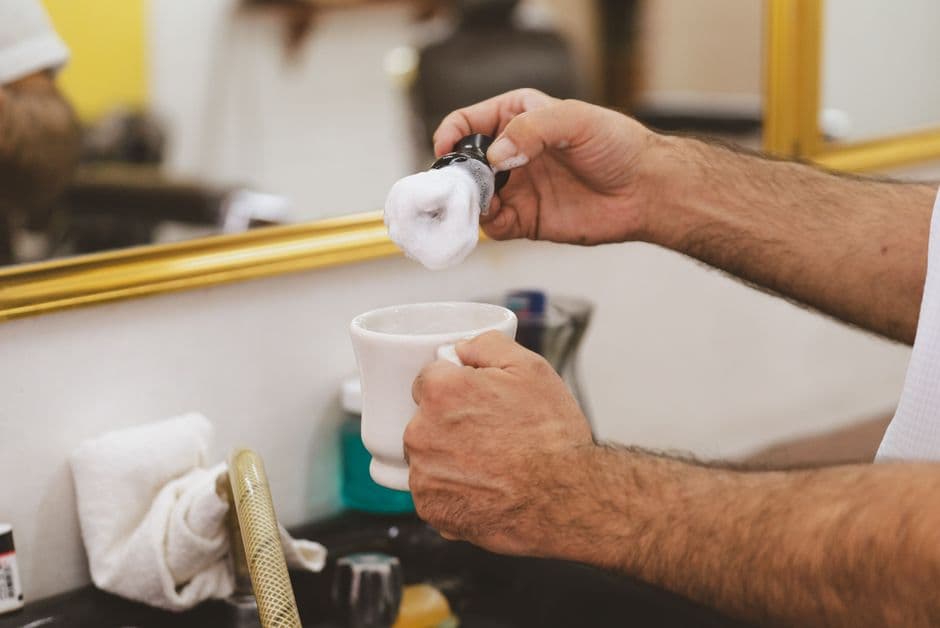
You can use your hands, and the shave will be worse. A brush does two things fingers cannot: it lifts the hair off the face so the blade meets it end-on, and it works water into the soap to build a lather that stays wet through three passes. It is also one of the cheapest items in the whole setup.
We assume five, and we say so everywhere that number is used. That is an assumption, not a measurement — we have not tested blade life. It is editable in the calculator, and if your beard is coarse or your water is hard you will get fewer. The honest answer is that you will know within a fortnight, because a dull double-edge blade announces itself.
Almost certainly, and the size of the saving depends entirely on what you pay for cartridges. That is why we built a calculator instead of publishing a headline figure: the arithmetic is simple, the inputs are personal, and a number we made up would be worth nothing to you.